How Do I Check If My Child Has a Credit Report?
Learn how to check if your child has a credit report, spot signs of child identity theft, contact credit bureaus, dispute fraud, and freeze a minor’s credit.


Most children should not have an active credit report. A child usually has not applied for a credit card, taken out a loan, opened a utility account, or built the kind of credit history adults use. So if your child has a credit report, it may be harmless in limited situations — or it may be a warning sign of identity theft.
Child identity theft can go unnoticed for years because children rarely check credit files. A fraudster may use a child’s Social Security number to open accounts, apply for loans, get benefits, rent housing, or set up services. Parents may not discover the problem until the child applies for a student loan, apartment, job, credit card, or first bank account.
This guide explains how to check if your child has a credit report, when to be concerned, what documents you may need, how to contact the credit bureaus, and what to do if you find fraudulent accounts.
Quick Answer
To check if your child has a credit report, contact each of the three major credit bureaus — Equifax, Experian, and TransUnion — and ask them to search for a credit file using your child’s identifying information. You may need to provide proof of your identity, proof of your address, your child’s birth certificate, your child’s Social Security card, and documents proving you are the parent or legal guardian.
If a credit report exists and you see accounts your child did not open, contact the credit bureaus, dispute the fraudulent accounts, place a child credit freeze, and report the identity theft through IdentityTheft.gov.
Why Would a Child Have a Credit Report?
A child may have a credit report for several reasons. Not all of them mean fraud, but each one should be reviewed carefully.
A child might have a credit file because:
-
The child was added as an authorized user on a parent’s credit card.
-
The child is listed on a joint account in a limited situation.
-
A credit bureau mixed the child’s information with a parent’s or another person’s file.
-
A creditor reported information under the wrong Social Security number.
-
Someone used the child’s identity to open fraudulent accounts.
-
A data breach exposed the child’s personal information.
-
A collection account, utility account, phone account, or loan was opened using the child’s Social Security number.
If you intentionally added your child as an authorized user, a credit file may not be surprising. But if you never connected your child to a credit account, a credit report in your child’s name deserves attention.
Signs Your Child May Be a Victim of Identity Theft
Child identity theft is often hidden. A child may not receive monthly credit card statements or loan notices the way an adult would. Still, there are warning signs parents should not ignore.
Watch for signs such as:
-
Your child receives credit card offers in the mail.
-
A debt collector contacts you about a bill in your child’s name.
-
You receive bills for accounts you did not open.
-
Your child is denied government benefits because the Social Security number is already being used.
-
You receive an IRS notice about taxes or employment connected to your child.
-
Your child is denied a student loan, bank account, or apartment because of bad credit.
-
A school, medical office, or other organization reports a data breach involving your child’s information.
-
Your child receives mail from banks, lenders, collection agencies, or utility companies.
-
You try to open a bank account for your child and are told an account already exists.
One strange letter may not always mean identity theft, but it is worth investigating.
When Should You Check Your Child’s Credit Report?
You do not need to check constantly. But you should consider checking if there is a specific reason to be concerned.
It may be smart to check if:
-
Your child receives financial mail meant for adults.
-
Your child’s Social Security number was exposed in a data breach.
-
Your family experienced identity theft.
-
Your child was denied benefits because of a duplicate Social Security number.
-
You received collection calls or bills in your child’s name.
-
Your child is preparing to turn 18.
-
Your child is applying for student loans.
-
Your child is applying for a first apartment or bank account.
-
You added your child as an authorized user and want to verify what is being reported.
Checking before a child turns 18 can help catch problems before they affect adult financial life.
Which Credit Bureaus Should You Contact?
You should contact all three major credit bureaus separately:
-
Equifax
-
Experian
-
TransUnion
Do not assume that if one bureau has no file, the other two also have no file. Credit reports can differ between bureaus. A fraudulent account may appear with one bureau and not another.
Each credit bureau has its own process for checking whether a minor has a credit file. Some requests may be completed online, while others may require mail or document upload.
Official Links to Check a Child’s Credit Report
Use official sources only. Avoid random websites that ask for your child’s Social Security number.
FTC child identity theft guide:
https://consumer.ftc.gov/articles/how-protect-your-child-identity-theft
FTC IdentityTheft.gov:
https://www.identitytheft.gov/
Equifax minor credit report request form:
https://assets.equifax.com/assets/personal/Minor_Disclosure.pdf
Experian minor child request:
https://www.experian.com/help/minor-request/
TransUnion child identity theft page:
https://www.transunion.com/fraud-victim-resources/child-identity-theft
TransUnion child identity theft inquiry form:
https://www.transunion.com/credit-disputes/child-identity-theft-inquiry-form
Documents You May Need
Credit bureaus need to confirm that you are allowed to request information for the child. Be prepared to provide copies of documents.
You may need:
-
Your government-issued ID, such as a driver’s license or state ID
-
Proof of your address, such as a utility bill, bank statement, insurance statement, or credit card statement
-
Your child’s birth certificate
-
Your child’s Social Security card
-
Proof of legal guardianship, if you are not listed on the birth certificate
-
Court documents, if you are a guardian, conservator, or legal representative
-
A written request explaining what you want the bureau to check
Send copies, not original documents. Keep a record of everything you send.
Step-by-Step: How to Check If Your Child Has a Credit Report
Step 1: Gather Your Documents
Before contacting the credit bureaus, collect identity and guardianship documents. This helps prevent delays.
Make sure names and addresses match as closely as possible. If you recently moved, include proof of your current address. If your child has a different last name, include documents that clearly show your relationship or legal authority.
Step 2: Contact Each Credit Bureau Separately
Go to the official Equifax, Experian, and TransUnion pages. Follow each company’s instructions for checking whether a minor has a credit file.
Do not submit your child’s Social Security number through unofficial forms, ads, or third-party websites. Use official bureau pages or FTC/CFPB links.
Step 3: Ask for a Manual Search
Because children often do not have standard credit files, you may need to request a manual search. This means the credit bureau searches its records using your child’s identifying information, such as name, date of birth, address, and Social Security number.
If no file exists, the bureau may tell you that it could not locate a report.
If a file exists, the bureau may provide a copy of the report or instructions for the next step.
Step 4: Review the Report Carefully
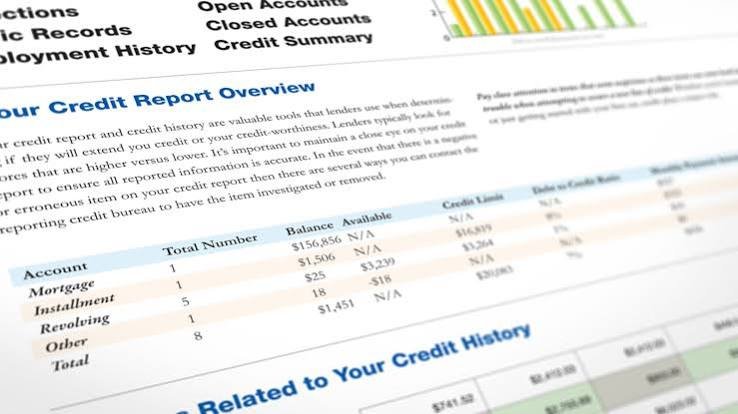
If your child has a credit report, review every detail.
Look for:
-
Credit cards
-
Loans
-
Utility accounts
-
Phone accounts
-
Collections
-
Hard inquiries
-
Addresses your child never used
-
Names or aliases that do not belong to your child
-
Employment information
-
Public records
-
Accounts opened before the child was old enough to legally apply
If the only information is related to an authorized user account you recognize, that may be legitimate. But accounts you do not recognize should be treated seriously.
Step 5: Dispute Fraudulent or Incorrect Information
If the report includes fraudulent accounts, contact each credit bureau reporting the item. Explain that your child is a minor and cannot legally enter into the contract.
You may need to provide:
-
A dispute letter
-
Your child’s birth certificate
-
Your child’s Social Security card
-
Your ID
-
Proof of address
-
FTC Identity Theft Report
-
Police report, if you filed one
-
Any account documents or collection notices you received
Ask the credit bureau to remove fraudulent accounts, inquiries, and collections associated with the identity theft.
Step 6: Contact the Companies Behind the Fraudulent Accounts
If a credit card company, lender, utility company, or collection agency opened or reported an account in your child’s name, contact that company’s fraud department.
Tell them:
-
The account was opened using a minor child’s information.
-
Your child did not authorize the account.
-
Your child is not legally responsible for the account.
-
You want the account closed.
-
You want written confirmation that your child is not liable.
Keep notes of every call, including the date, time, name of the person you spoke with, and what they said.
Step 7: Report Child Identity Theft
If someone used your child’s information to commit fraud, report it through IdentityTheft.gov. This can help you create an official recovery plan and generate an identity theft report.
An FTC Identity Theft Report can be useful when disputing fraudulent accounts, contacting creditors, or asking credit bureaus to block identity theft information.
Step 8: Place a Child Credit Freeze
A credit freeze can make it harder for someone to open new credit accounts using your child’s identity. For a minor, the process is different than freezing an adult’s credit.
You usually must contact each bureau separately and provide documents proving your identity and your authority to act for the child.
A child credit freeze can be especially helpful if:
-
Your child’s information was exposed in a data breach.
-
Your child already has a fraudulent credit file.
-
Your household experienced identity theft.
-
You want extra protection until your child is old enough to manage credit.
What Is a Child Credit Freeze?
A child credit freeze, also called a minor security freeze or protected consumer freeze, restricts access to a minor’s credit file. If no file exists, some bureaus may create a protected file only for the purpose of placing the freeze.
A freeze does not erase fraud that already happened. It helps reduce the chance of new accounts being opened.
When your child is older, the freeze may need to be lifted before applying for credit, loans, housing, or certain services.
Should Every Parent Freeze a Child’s Credit?
Many parents choose to freeze a child’s credit as a preventive step, especially if the child is under 16. It can be a strong identity theft protection tool.
However, you should keep careful records. Save all letters, confirmation numbers, PINs, passwords, and instructions from each bureau. Your child may need them later to lift or remove the freeze.
If your child is close to adulthood, talk through how the freeze works so they know what to do before applying for student loans, credit cards, apartments, or utilities.
What If No Credit Report Exists?
If the credit bureaus confirm that no credit report exists for your child, that is usually good news.
Still, keep monitoring for warning signs. Protect your child’s personal information, especially their Social Security number, birth certificate, school records, medical insurance information, and online account details.
You may also consider placing a child credit freeze if your child is under 16 or if their information may have been exposed.
How to Protect Your Child’s Personal Information
Prevention matters. Children’s personal information can be exposed through schools, medical offices, apps, sports programs, benefits programs, tax documents, and family paperwork.
To reduce risk:
-
Do not carry your child’s Social Security card unless necessary.
-
Ask why an organization needs your child’s Social Security number.
-
Ask whether another identifier can be used instead.
-
Store birth certificates and Social Security cards securely.
-
Shred documents containing your child’s personal information.
-
Use strong passwords for school and medical portals.
-
Be cautious with children’s information on social media.
-
Read data breach notices carefully.
-
Teach older children not to share personal details online.
A child’s clean credit identity can be valuable to criminals because fraud may go undetected for a long time.
What to Do If Your Child Is Turning 18
Before your child turns 18, consider checking whether they have a credit file. This can help avoid surprises when they apply for a student loan, credit card, apartment, job, car loan, or utility service.
If a file exists, review it together if appropriate. Explain what credit reports are, why accuracy matters, and how identity theft can affect financial opportunities.
If a freeze is in place, make sure your child knows how to manage it.
Sample Letter to Request a Child Credit Report Search
You can customize this letter before sending it to a credit bureau.
Subject: Request to Check for Minor Child Credit Report
Dear [Credit Bureau Name],
I am writing to request a search to determine whether a credit report exists for my minor child.
Child’s full name: [Child’s full legal name]
Child’s date of birth: [Date of birth]
Child’s Social Security number: [SSN]
Current address: [Current address]
Previous address, if applicable: [Previous address]
I am the child’s parent/legal guardian. I am requesting this search because [brief reason, such as suspected identity theft, data breach notice, suspicious mail, or preventive review].
Attached are copies of documents verifying my identity, my address, the child’s identity, and my authority to act on the child’s behalf.
Please notify me whether a credit report exists. If a report exists, please provide a copy and instructions for disputing any inaccurate or fraudulent information.
Sincerely,
[Your name]
[Your mailing address]
[Your phone number]
[Your email]
Sample Letter to Dispute Fraud on a Child’s Credit Report
Subject: Dispute of Fraudulent Information on Minor Child’s Credit Report
Dear [Credit Bureau Name],
I am disputing fraudulent information appearing on the credit report of my minor child.
My child is a minor and did not open, authorize, or benefit from the account listed below:
Account name: [Company name]
Account number, if known: [Account number]
Date opened: [Date]
Reason for dispute: This account was opened fraudulently using my child’s personal information.
Please investigate this matter and remove all fraudulent accounts, inquiries, collections, and related information connected to this identity theft.
Attached are copies of supporting documents, including proof of my identity, proof of address, my child’s birth certificate, my child’s Social Security card, and an FTC Identity Theft Report.
Please send written confirmation when the fraudulent information has been removed.
Sincerely,
[Your name]
Common Mistakes to Avoid
Avoid these mistakes when checking your child’s credit:
-
Do not use unofficial websites asking for your child’s Social Security number.
-
Do not send original identity documents.
-
Do not assume one credit bureau’s answer applies to all three.
-
Do not ignore mail addressed to your child from banks or collectors.
-
Do not wait until your child is denied credit to investigate.
-
Do not lose freeze confirmation letters or PINs.
-
Do not pay a company that promises secret child identity protection methods.
-
Do not assume a child cannot be targeted because they have never used credit.
Final Checklist
Use this checklist if you are checking whether your child has a credit report:
-
Check for warning signs of child identity theft.
-
Gather your ID, proof of address, child’s birth certificate, child’s Social Security card, and guardianship documents.
-
Contact Equifax, Experian, and TransUnion separately.
-
Use only official bureau, CFPB, FTC, or IdentityTheft.gov links.
-
Request a manual search for your child’s credit file.
-
Review any report carefully.
-
Dispute fraudulent or inaccurate accounts.
-
Contact companies where fraud occurred.
-
Report child identity theft at IdentityTheft.gov.
-
Consider placing a child credit freeze.
-
Save every confirmation letter, case number, and document.
Bottom Line
Most children should not have credit reports. If your child does have one, it may be due to an authorized user account, a reporting error, mixed identity information, or identity theft.
The safest approach is to check with all three major credit bureaus using official links, review any report carefully, and act quickly if you find accounts your child did not open.
If fraud occurred, dispute the accounts, contact the companies involved, report the identity theft through IdentityTheft.gov, and consider freezing your child’s credit file to help prevent new accounts from being opened.
FAQ
Can a child have a credit report?
Yes, but most children should not have an active credit report. A child may have one because of an authorized user account, a reporting error, mixed files, or identity theft.
How do I check if my child has a credit report?
Contact Equifax, Experian, and TransUnion separately and ask each bureau to search for a credit file using your child’s identifying information.
Is it bad if my child has a credit report?
Not always. If you added your child as an authorized user, it may be expected. But if you do not recognize the accounts or inquiries, it may be a sign of fraud.
What documents do I need to check my child’s credit report?
You may need your government ID, proof of address, your child’s birth certificate, your child’s Social Security card, and proof that you are the parent or legal guardian.
Can I freeze my child’s credit?
Yes. Parents and legal guardians can request a credit freeze for a minor through the major credit bureaus. The process is different from freezing an adult’s credit and usually requires identity and guardianship documents.
What should I do if someone opened accounts in my child’s name?
Contact the credit bureaus, dispute the fraudulent accounts, contact the companies where the accounts were opened, request written confirmation that your child is not responsible, and report the identity theft at IdentityTheft.gov.
Should I check all three credit bureaus?
Yes. Equifax, Experian, and TransUnion may have different information. A file may exist at one bureau but not another.
Can I use AnnualCreditReport.com for my child?
AnnualCreditReport.com is commonly used by adults for their own credit reports. For a minor child, you should follow the specific minor-child instructions from each credit bureau.
Share
What's Your Reaction?
 Like
0
Like
0
 Dislike
0
Dislike
0
 Love
0
Love
0
 Funny
0
Funny
0
 Angry
0
Angry
0
 Sad
0
Sad
0
 Wow
0
Wow
0