What Do Employers See in a Credit Check and Background Check?
Learn what employers may see in an employment credit check and background report, including credit history, criminal records, employment verification, and your FCRA rights.

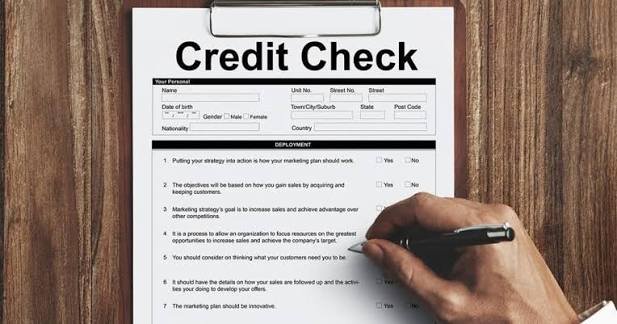
Applying for a new job often involves more than submitting a résumé and completing an interview. An employer may ask a third-party screening company to prepare an employment background report before deciding whether to hire, promote, reassign, or retain you.
Depending on what the employer orders, the report may contain credit history, criminal and court records, previous employment, salary information, education, professional licenses, address history, driving records, identity-verification information, public social media activity, and other screening results.
There is no single background check that every employer uses. One employer may verify only employment and education. Another may request a broader report containing credit, criminal, driving, licensing, or public-record information.
The Consumer Financial Protection Bureau explains that employment reports commonly include credit checks, criminal background checks, public records such as bankruptcy and court filings, and employment-history information. Employers generally must obtain your written permission before ordering an employment report from a consumer reporting company.
Important: This article provides general educational information and is not legal advice. Federal protections may be supplemented by state and local laws that limit when an employer can request or use credit or criminal-history information.
Quick Answer
An employment background report may show some or all of the following:
- Credit history
- Collection accounts and other reported debts
- Bankruptcy or other public court records
- Previous employers and employment dates
- Reported salary or income-verification information
- Education and professional licenses
- Residential address history
- Social Security number verification
- Criminal arrest or conviction information
- Driving and motor vehicle records
- Drug or alcohol testing results
- Public social media activity
- Watchlist information
- Volunteer or nonprofit activity
- Screening scores or assessments
The exact contents depend on the employer, job, screening company, available records, and applicable law. CFPB’s current consumer-reporting-company list describes employment screening as potentially including credit, employment, salary, education, licensing, address, identity, criminal, driving, drug-testing, health-screening, watchlist, volunteer, and social-media information.
What Is an Employment Background Report?
An employment background report is a consumer report prepared for an employment-related decision.
It may be used when an employer is considering:
- Hiring an applicant
- Promoting an employee
- Reassigning an employee
- Retaining an employee
- Disciplining or terminating an employee
- Assigning particular duties or access
Employment screening is therefore not limited to first-time job applicants.
CFPB guidance explains that third-party reports used for hiring, promotion, reassignment, or retention may be covered by the Fair Credit Reporting Act. This can include traditional background reports as well as certain third-party scores or assessments about current workers.
What May Appear in an Employment Credit Check?
An employment credit check may contain information from one or more consumer reporting companies.
Possible credit-related information includes:
- Credit accounts
- Account open and closed dates
- Payment history
- Current or reported balances
- Credit limits or original loan amounts
- Collection accounts
- Charge-offs
- Public bankruptcy information
- Accounts reported as delinquent
- Identity information connected to the credit file
- Creditors or collectors reporting information
- Inquiries or report-access records
Not every employer orders a credit check. An employer may also request a specialized employment report without ordering a separate report from Equifax, Experian, or TransUnion.
If the employer is ordering credit information separately, ask which reporting company it will use so that you can review the relevant report before the hiring decision.
Does the Employer See Your Exact Credit Score?
Do not assume that an employer receives the same credit score displayed by your bank, credit card company, or consumer credit app.
An employer may receive credit history, an employment-screening assessment, or another type of score depending on the screening product. Different reports may present information differently, and not every employment report includes a conventional consumer credit score.
The more useful questions to ask are:
- Is a credit-history report being ordered?
- Which reporting company is providing it?
- Does the report include a numerical score?
- Is it a conventional credit score or an employment-screening assessment?
- Which information will be used for the hiring decision?
CFPB confirms that employment screening itself will not affect your credit scores.
Does an Employment Credit Check Lower Your Credit Score?
Generally, no.
An employment screening inquiry is different from applying for a credit card, mortgage, vehicle loan, or personal loan. The employer is accessing the information for employment purposes rather than deciding whether to extend credit.
CFPB specifically states that employment screening will not impact your credit scores.
You may still see the employer, screening company, or related inquiry listed in the section of your consumer file showing who accessed your information.
Can Employers See Your Payment History?
When an employer orders a report containing credit information, it may see reported account and payment-history information.
That could include:
- On-time payment history
- Late payments
- Past-due balances
- Collections
- Charge-offs
- Closed accounts
- Bankruptcy records
- Accounts affected by identity theft if they have not been corrected
The presence of negative information does not automatically mean the employer will reject you. The employer’s decision may depend on the position, company policy, applicable law, the age and nature of the information, and any explanation you provide.
Can Employers See Your Total Debt?
A credit-history report may show the reported balances associated with individual accounts.
However, the report is not necessarily a complete financial statement. It may not reflect every financial obligation, and the information may have been reported at different times by different creditors.
Check for:
- Outdated balances
- Paid accounts still showing amounts due
- Duplicate collections
- Accounts belonging to another person
- Joint accounts incorrectly marked as individual
- Authorized-user accounts incorrectly showing personal liability
- Debts caused by identity theft
A seemingly large total can be misleading when information is duplicated or outdated.
Can Employers See Bankruptcy Records?
Employment reports may include bankruptcy filings and other court documents because these can be public records. CFPB specifically identifies bankruptcy filings and court records as information commonly included in employment reports.
Whether an employer may legally use bankruptcy information against you can involve additional federal or state law. The rules may also differ between public-sector and private-sector employment.
A bankruptcy entry should accurately identify:
- The correct person
- The filing court
- The case number
- The filing date
- The type of bankruptcy
- The current case status
- Whether the case was dismissed or discharged
Dispute a bankruptcy record if it belongs to another person or contains inaccurate information.
What Criminal Information May Appear?
A background screening report may include:
- Arrest information
- Criminal charges
- Convictions
- Court dispositions
- Pending cases
- Dismissed cases
- Warrants or other public records
- State or federal fingerprint information
- Sex-offender registry information
- Other records permitted by applicable law
The report should not misleadingly omit an important outcome. For example, a report that lists a charge but fails to show that it was dismissed may create an inaccurate impression.
Reporting limits and employer-use restrictions vary by jurisdiction. Some cities and states limit when employers may ask about criminal history or conduct a criminal background check. FTC guidance advises applicants to check applicable local laws because they may regulate both the information employers can request and the stage of hiring at which they can request it.
Can Employers Verify Your Work History?
Yes.
Employment screening may include verification of:
- Previous employer names
- Employment dates
- Job titles
- Employment status
- Reported salary or compensation
- Reason for leaving, depending on available information
- Eligibility for rehire
- Gaps in employment
- Professional references
A screening company may obtain information from previous employers, payroll databases, employment-verification services, or records supplied by the applicant.
Review dates carefully. A small discrepancy may come from differences between payroll dates and actual working dates, while a major discrepancy could affect the employer’s decision.
Can Employers Verify Salary Information?
Some employment screening and verification companies provide salary or income information.
The information available depends on:
- Whether the former employer participates in a verification database
- Which payroll or verification service is used
- The records stored by that service
- Whether disclosure is permitted
- Applicable state and local salary-history laws
CFPB lists employment and salary verification among the services offered by employment screening companies.
If a report contains the wrong salary, employer, or employment dates, dispute the information with the screening company and the source that supplied it.
Can Employers Check Education and Professional Licenses?
An employer may request verification of:
- School attended
- Degree or diploma
- Field of study
- Graduation date
- Professional certification
- Occupational license
- License status
- Disciplinary actions
- Expiration date
- Continuing education requirements
Errors can occur because of name changes, school mergers, incomplete records, delayed updates, or confusion between people with similar names.
Keep copies of:
- Diplomas
- Official transcripts
- License records
- Certification documents
- Name-change documents
- Letters from schools or licensing bodies
Can Employers See Your Address History?
Employment screening companies may provide previous residential addresses and identity-verification information.
Address history may be used to:
- Confirm identity
- Search relevant courts
- Identify jurisdictions associated with the applicant
- Distinguish between people with similar names
- Verify information provided on the application
An unfamiliar address may indicate:
- A reporting error
- An outdated mailing address
- An address associated with a joint account
- A mixed consumer file
- Identity theft
Do not ignore an address where you have never lived. Investigate it, especially when unfamiliar accounts or records also appear.
Can Employers See Your Social Security Number?
A screening company may use your Social Security number to verify identity and match records. CFPB identifies Social Security number verification as one of the services employment screening companies may provide.
Protect this information carefully.
FTC recommends avoiding Social Security numbers or banking information on a résumé or ordinary initial application. An employer may request identifying information at the appropriate stage to conduct an authorized background check, but an unsolicited request before any genuine interview may indicate a job scam.
Never send a Social Security number through an unverified text message or ordinary social-media account.
Can Employers Check Social Media?
An employer may review public social media directly, or it may use a third-party screening service.
A social-media screening report may include publicly available:
- Posts
- Comments
- Images
- Videos
- Public profile information
- Public group activity
- Other online material associated with the applicant
FTC lists public social media activity among the background information employers may review, and CFPB’s employment-screening list includes social-media screening.
A screening company should not combine your profile with another person’s profile merely because you have the same name.
Can Employers See Driving Records?
Driving and motor-vehicle records may be included when relevant to the job.
A driving report may show:
- Driver’s license status
- License class
- Suspensions
- Revocations
- Traffic violations
- Accidents
- Commercial driving information
- Other motor-vehicle records
This type of report is particularly relevant for jobs involving company vehicles, transportation, deliveries, or commercial driving.
Check the report for records belonging to another driver or violations that were dismissed or corrected.
Can Employers See Drug or Alcohol Testing Results?
Some screening companies provide drug or alcohol testing and related health-screening services. Whether an employer may request or use this information depends on the position, testing program, industry, and applicable law. CFPB includes drug and alcohol testing and health-screening information among the categories offered by some employment screeners.
Medical and genetic information receives additional legal protection.
EEOC guidance states that employers generally cannot request medical information before making a job offer and may request genetic information, including family medical history, only in very limited circumstances.
Can Employers Check Current Employees?
Yes, third-party consumer reports may also be used for decisions involving current workers.
Examples include:
- Promotion
- Reassignment
- Retention
- Continued access to company systems
- Disciplinary decisions
- Work scheduling
- Performance or risk assessment
CFPB has explained that newer employment reports may include third-party monitoring of driving, sales interactions, task-completion time, messages, meetings, web browsing, screenshots, keystroke frequency, productivity, risk, or other worker activity. When a third party assembles or evaluates this information for employment decisions, FCRA protections may apply.
Does the Employer Need Your Permission?
When an employer obtains an employment consumer report from a third-party background reporting company, it generally must:
- Provide a clear written disclosure that a report may be obtained.
- Present the disclosure in a standalone document.
- Obtain your written authorization before ordering the report.
FTC confirms that the employer must disclose the possible use of background information for hiring, promotion, or termination and obtain written permission before requesting the report.
You can decline to provide authorization. However, the employer may decide not to continue your application when the background check is legally permitted and required for the position.
What Should the Authorization Form Say?
Review the form before signing.
Check whether it identifies:
- The employer
- The background screening company
- The type of report
- The employment purpose
- Whether ongoing reports may be obtained
- State-specific disclosures
- Your right to request a copy
- A contact for questions
Keep a copy of the signed disclosure and authorization.
Do not sign a blank form or a document that appears to authorize unrelated financial transactions.
Can the Employer Check You Without Permission?
A third-party consumer report generally should not be obtained for employment purposes without the required authorization, subject to limited legal exceptions.
If you believe a report was obtained without your permission:
- Ask the employer which report was ordered.
- Request a copy of the authorization it relied upon.
- Ask the reporting company who requested your file.
- Preserve emails, application documents, and notices.
- Review your consumer reports for access records.
- Consider submitting a complaint to the FTC or CFPB.
CFPB also notes that, upon request, a consumer reporting company must disclose who used a consumer report for employment purposes during the preceding two years.
What Happens Before the Employer Rejects You?
If an employer is considering an unfavorable decision based partly or entirely on a third-party background report, it generally must first provide:
- A copy of the report
- A Summary of Your Rights under the Fair Credit Reporting Act
This is commonly called the pre-adverse action stage.
It gives you an opportunity to identify errors before the decision becomes final. FTC confirms that the employer must provide the report and FCRA rights summary before deciding not to hire, retain, or promote you because of the report.
Act immediately after receiving the notice.
What Is a Final Adverse Action Notice?
If the employer ultimately takes a negative action, it generally must provide an adverse action notice.
The notice should identify:
- The background reporting company
- Its address
- Its telephone number
- Your right to dispute inaccurate or incomplete information
- Your right to request an additional free copy of the report
- The fact that the reporting company did not make the employment decision
- The fact that the reporting company cannot explain the employer’s specific reason
You generally must request the additional free report within 60 days of the employer’s decision.
What Counts as Adverse Action?
Employment adverse action may include:
- Refusing to hire you
- Withdrawing a conditional offer
- Refusing to promote you
- Demoting you
- Reassigning you unfavorably
- Refusing to retain you
- Terminating employment
- Taking another action that negatively affects employment
The report does not need to be the employer’s only reason. FCRA procedures may apply when the consumer report contributed to the decision.
How to Prepare Before a Job Background Check
Review your nationwide credit reports
Check reports from:
- Equifax
- Experian
- TransUnion
Look for:
- Accounts you do not recognize
- Incorrect late payments
- Duplicate debts
- Wrong balances
- Authorized-user errors
- Identity theft
- Incorrect addresses
- Outdated information
Ask which screening company will be used
Do not assume the employer uses one of the three nationwide credit bureaus.
Hundreds of companies provide employment background screening services. CFPB recommends asking for the screening company’s name when you authorize the report and requesting your report directly from that company.
Check employment and salary-verification reports
Review records maintained by relevant employment-verification companies when you know which provider the employer uses.
Confirm:
- Employer names
- Employment dates
- Position titles
- Income records
- Employment status
Review court and public records
Check records in jurisdictions where you have lived.
Look for:
- Cases belonging to another person
- Missing dispositions
- Dismissed cases still appearing unresolved
- Sealed or expunged records
- Incorrect bankruptcy cases
- Duplicate records
Prepare a concise explanation
When negative information is accurate, prepare an honest explanation that focuses on:
- What happened
- Whether it was temporary
- What you did to correct it
- Why it does not affect job performance
- Evidence of subsequent stability
Do not provide unnecessary personal details.
Common Employment Background Report Errors
Errors may include:
- Criminal records belonging to someone with a similar name
- An arrest reported without the final disposition
- A dismissed case shown as pending
- Incorrect employment dates
- An employer you never worked for
- Wrong salary information
- A degree incorrectly marked unverified
- An expired license shown as active
- An active license shown as expired
- Credit accounts belonging to another person
- Duplicate collection accounts
- Paid debts shown as unpaid
- Identity-theft accounts
- Incorrect addresses
- Another person’s social media profile
- Driving violations belonging to another driver
Background reporting companies must use reasonable procedures designed to assure maximum possible accuracy and investigate consumer disputes concerning incomplete or inaccurate information.
How to Dispute an Employment Background Report
Step 1: Obtain the complete report
Request the report from the company named in the employer’s notice.
Do not rely only on the employer’s summary.
Step 2: Identify each specific error
State:
- The section containing the error
- The incorrect information
- Why it is wrong
- What the correct information should be
- Which documents support your position
Step 3: Gather evidence
Evidence may include:
- Credit account statements
- Payment confirmations
- Identity theft reports
- Court dispositions
- Expungement orders
- Employment records
- Tax documents
- Pay stubs
- Transcripts
- Diplomas
- Professional licenses
- Driving records
- Letters from former employers
Step 4: Send the dispute to the screening company
Request investigation and correction or deletion of information that is inaccurate, incomplete, or unverifiable.
Step 5: Contact the original information source
The source may be:
- A creditor
- Court
- Former employer
- School
- Licensing agency
- Payroll service
- Motor vehicle agency
- Another data provider
Correcting the original source may prevent the error from reappearing.
Step 6: Notify the employer
Tell the employer that the report contains an error and that you have submitted a dispute.
Ask whether it will delay the final decision or reconsider you after the correction.
Step 7: Request a corrected report
After the screening company corrects the information, ask it to send an updated report to the employer. FTC expressly advises consumers to request that the corrected report be provided to the employer.
Sample Employment Background Report Dispute Letter
Subject: Dispute of Inaccurate Employment Background Report
Dear [Background Reporting Company],
I am writing to dispute inaccurate or incomplete information in an employment background report prepared about me.
My identifying information is:
Full name: [Full legal name]
Current address: [Address]
Date of birth: [Date of birth]
Report or file number: [Number]
Employer requesting the report: [Employer]
The disputed information is:
[Identify the credit account, criminal record, employment record, education record, license, address, driving record, or other item.]
The report states:
[Quote or summarize the incorrect information.]
This information is inaccurate or incomplete because:
[Explain the error clearly.]
The correct information is:
[State the correct information.]
Attached are copies of documents supporting my dispute, including:
- [Supporting document]
- [Supporting document]
- [Supporting document]
Please conduct a reasonable investigation and correct or delete information that is inaccurate, incomplete, outdated, or unverifiable.
Please send me:
- The written investigation results
- An updated copy of my report
- The source of the disputed information
- Confirmation that the corrected report was sent to [Employer Name]
Sincerely,
[Name]
[Address]
[Phone number]
[Email address]
[Date]
Sample Message to the Employer
Subject: Inaccurate Information in Background Report
Dear [Hiring Manager or Human Resources Contact],
Thank you for providing the employment background report.
I identified information that appears to be inaccurate or incomplete:
[Briefly identify the error.]
I submitted a dispute to [Screening Company] on [date] and provided supporting documentation. The dispute confirmation number is [number].
I respectfully request that the company delay its final decision, where possible, until the investigation is completed. I will provide the corrected report or investigation result as soon as it becomes available.
Attached is [briefly identify supporting evidence].
Please confirm whether you need any additional information.
Sincerely,
[Name]
[Position applied for]
[Phone number]
[Email address]
Can an Employer Use Background Checks Discriminatorily?
No employer should apply a background-check rule differently based on protected characteristics.
EEOC guidance states that employers must not treat applicants differently because of race, national origin, color, sex, religion, disability, genetic information, or age 40 or older. A neutral background-screening rule may also raise discrimination concerns when it disproportionately harms a protected group and is not job-related or consistent with business necessity.
Document possible unequal treatment, including:
- Different questions asked of similar applicants
- Checks ordered only for certain groups
- Similar records treated differently
- Inconsistent exceptions
- Discriminatory comments
- Different opportunities to explain results
Potential discrimination issues may be reported to the EEOC.
What If the Employer Never Gave You the Report?
Ask the employer in writing for:
- A copy of the report
- The FCRA Summary of Rights
- The name of the screening company
- The date the report was ordered
- The authorization form
- The pre-adverse action notice
- The final adverse action notice
Save your request and the employer’s response.
A rejection without the required report and notices may indicate that the employer did not follow the required FCRA procedure.
What If the Employer Used Information From the Internet Directly?
FCRA protections generally focus on reports obtained from a third-party consumer reporting company.
When an employer independently views a public webpage or social-media profile, the same third-party reporting rules may not apply in the same way. Employment-discrimination, privacy, state-law, and other protections may still apply.
When a third-party company assembles or evaluates public information and sells a report to the employer, the report may qualify as a consumer report subject to the FCRA.
How to Protect Your Information During a Job Search
- Verify the employer independently.
- Confirm that the position actually exists.
- Avoid putting your Social Security number on your résumé.
- Do not pay for a job offer.
- Do not send gift cards or cryptocurrency.
- Do not give anyone a one-time security code.
- Use a secure method for identity documents.
- Review the authorization before signing.
- Ask which screening company will receive your information.
- Keep copies of every form and notice.
A company demanding banking information or a Social Security number before a genuine interview may be impersonating an employer.
Official Consumer Resources
- CFPB explanation of what employers may see in employment reports.
- CFPB list of employment and specialty consumer reporting companies.
- FTC employment background check rights guide.
- CFPB guidance on third-party worker reports and algorithmic employment scores.
- EEOC guidance on background checks and employment discrimination.
Final Checklist
Before authorizing an employment background check:
- Ask what type of report will be ordered.
- Ask which screening company will prepare it.
- Read the standalone disclosure.
- Keep a copy of your authorization.
- Review all three credit reports.
- Check employment and salary-verification records.
- Review relevant court and driving records.
- Gather education and licensing documentation.
- Correct identity and address errors.
- Prepare an explanation for accurate negative information.
- Review any pre-adverse action report immediately.
- Dispute errors with supporting documents.
- Notify the employer about the dispute.
- Request that a corrected report be sent to the employer.
- Preserve every adverse action notice.
- Request your additional free report within 60 days.
- Check state and local employment-screening laws.
- Report possible discrimination or FCRA violations.
Bottom Line
An employer may see much more than a conventional credit report when it orders an employment background check.
Depending on the report, the employer may receive credit history, bankruptcy and court records, criminal information, previous employment, salary verification, education, licenses, address history, driving records, drug-testing results, public social-media information, or other assessments.
The employer does not automatically receive every category. The scope depends on the employer’s order, screening company, job, and applicable law.
When a third-party reporting company is used, the employer generally must obtain your written authorization. Before taking an unfavorable action based on the report, it generally must give you the report and an FCRA rights summary. After the final decision, it must identify the reporting company and explain your dispute and free-report rights.
Review your records before applying. Background reports can contain mixed identities, outdated court information, incorrect employment dates, duplicate debts, and other errors capable of costing someone a job.
When you find an error, act quickly: dispute it with the screening company, contact the original data provider, notify the employer, and ask that a corrected report be sent for reconsideration.
FAQ
What information can an employer see in a background check?
Depending on the report, an employer may see credit, employment, education, licensing, criminal, court, driving, address, identity, social-media, or other screening information.
Does every employer check credit?
No. Employers choose which reports and screening components to order, subject to applicable law.
Can an employer see my credit score?
The employer may obtain credit history or another screening assessment, but not every employment report includes a conventional consumer credit score. Ask which report and scoring product will be used.
Does an employment credit check lower my score?
Employment screening does not impact your credit score.
Can an employer see late payments and collections?
They may appear when the employer obtains a report containing credit-history information.
Can an employer see bankruptcy?
Employment reports may include publicly available bankruptcy filings and other court documents.
Can an employer see my salary history?
Some employment-verification companies provide reported salary or income information, subject to data availability and applicable law.
Can an employer see social media?
An employer may review public social media or order a third-party social-media screening report.
Does the employer need my permission?
An employer generally must obtain written authorization before requesting an employment consumer report from a third-party screening company.
Can I refuse permission?
Yes, but the employer may decline to continue your application when the screening is legally permitted and required for the position.
What must the employer provide before rejecting me?
Before taking adverse action based on the report, the employer generally must provide a copy of the report and an FCRA Summary of Rights.
How do I correct a background check error?
Dispute it with the background reporting company, provide supporting documents, contact the original information source, and notify the employer.
Can I get the report for free after rejection?
Yes. You generally have 60 days after the adverse action to request an additional free copy from the screening company named in the notice.
Can employers check current employees?
Third-party reports may also be used for promotion, reassignment, retention, performance, or other ongoing employment decisions, subject to applicable law.
Where can I report a violation?
Depending on the issue, you may submit a complaint to the FTC or CFPB, contact the EEOC regarding discrimination, consult a state agency, or speak with an employment or consumer attorney.
Share
What's Your Reaction?
 Like
0
Like
0
 Dislike
0
Dislike
0
 Love
0
Love
0
 Funny
0
Funny
0
 Angry
0
Angry
0
 Sad
0
Sad
0
 Wow
0
Wow
0