Does Late Rent Affect Your Credit Score? A Renter’s Guide
Learn how late rent can affect your credit score and tenant screening reports, when unpaid rent reaches collections, and how to dispute incorrect rental history.


Paying rent late can create more than a late fee or an uncomfortable conversation with your landlord. Depending on how your landlord, property manager, rent-payment service, or collection company handles the account, late rent may appear in a nationwide credit report, a tenant screening report, or both.
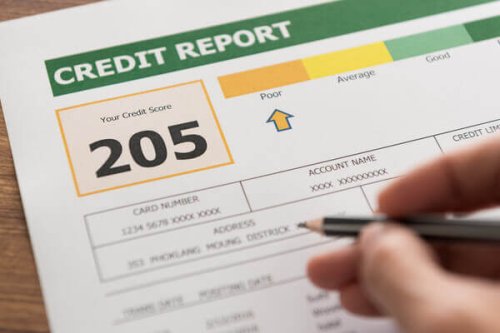
The Consumer Financial Protection Bureau states that Equifax, Experian, and TransUnion use rental-payment and related debt-collection information in their credit reports, although each company may handle the information differently. Specialty consumer reporting companies also compile rental histories for landlords and may include past addresses, payment history, eviction information, rental debt, and other housing-related records.
A late rent payment does not necessarily appear on every credit report immediately. Not every landlord reports routine monthly payments, and reporting practices vary. However, the risk becomes greater when the property participates in a rent-reporting program or sends an unpaid balance to a collection agency.
Even when a late payment does not affect a conventional credit score, it may still affect your ability to rent another apartment if it appears in a tenant screening report.
Important: This article provides general educational information and is not legal advice. Rental agreements, late-fee rules, eviction procedures, debt-collection laws, and tenant protections vary by state and city.
Quick Answer
Yes, late rent can affect your credit score.
It is most likely to create a credit problem when:
- Your landlord or property manager reports rent payments
- A rent-payment platform reports late payment information
- The unpaid balance is transferred to a collection agency
- A rental debt is reported to a nationwide credit bureau
- The information appears in a specialty tenant screening report
- An eviction or housing court record is added to a rental background report
The effect depends on what information is reported, where it is reported, the scoring model used, and the rest of your credit history. No one can reliably promise that a particular late payment will lower your score by an exact number of points.
How Can Late Rent Reach Your Credit Report?
There are several possible reporting paths.
Direct reporting by the landlord or property manager
Some property owners and management companies participate in programs that report monthly rental payments.
A reported history may include:
- Rent paid as agreed
- Payment amount
- Payment date
- Missed or incomplete payments
- Past-due balance
- Lease information
- Account status
Participation is not universal. A small private landlord may not report ordinary monthly rent, while a large property manager may use a payment platform or reporting service.
Ask your landlord in writing:
- Do you report rent payments?
- Which reporting companies receive the information?
- Do you report only positive payments or both positive and negative activity?
- When is a payment considered late for reporting purposes?
- Does the service charge the tenant a fee?
- How can reporting errors be disputed?
CFPB guidance encourages renters interested in building credit to ask whether the landlord participates in a rent-reporting program and to review any associated fees.
Reporting through a rent-payment service
Some apartments require or encourage tenants to pay through an app or online portal. The platform may offer rent reporting as an included or optional service.
Do not assume that using an app automatically means your rent is reported. Review the service terms and determine:
- Whether enrollment is automatic or optional
- Which credit bureaus receive information
- Whether late payments are reported
- Whether historical payments can be added
- Whether cancellation stops future reporting
- Whether the tenant pays monthly or enrollment fees
Save payment confirmations from the portal in case the information is later reported incorrectly.
Reporting after the debt goes to collections
A landlord may hire a collection company or sell an unpaid rental balance after you fall behind or move out.
A collection account may involve:
- Past-due rent
- Unpaid late fees
- Lease termination charges
- Property damage claims
- Utility charges
- Cleaning expenses
- Court-awarded amounts
- Other charges permitted by the lease and applicable law
Debt collectors must take required steps to contact a consumer before reporting a collection account to a credit reporting company. After meeting those requirements, they may report the debt if they also follow applicable credit-reporting laws.
Reporting to a tenant screening company
Tenant screening companies create specialized reports used by landlords and property managers.
These reports may contain:
- Rent payment history
- Rental debt
- Prior addresses
- Eviction filings
- Housing court records
- Credit information
- Identity verification
- Employment or income information
- Criminal record information
- Risk scores or rental recommendations
A negative tenant screening entry may affect your next housing application even when the information does not appear in the credit score shown by your bank or credit card company.
Does Every Late Rent Payment Get Reported?
No.
A landlord may charge a late fee without reporting the payment to any credit bureau. Another landlord may report payment activity every month. A third may report nothing until an unpaid balance is placed with a collector.
There is no single reporting procedure used by every rental property.
Your lease may explain when rent is legally due and whether a grace period applies. The reporting program may have a separate rule for classifying a payment as late.
For example, these are not necessarily the same event:
- Rent becomes due
- A contractual grace period ends
- A late fee is charged
- The landlord sends a notice
- The payment is classified as delinquent for reporting
- The debt is assigned to collections
- An eviction case is filed
Ask the landlord to explain each deadline instead of assuming that one rule applies to all of them.
Will Being One Day Late Hurt Your Credit?
It depends on whether the payment is reported and how the reporting system classifies it.
A payment made one day after the due date could trigger a late fee under the lease but may not necessarily create a negative credit entry. Another reporting program may record the payment according to its own monthly status rules.
The safest approach is to:
- Read the lease.
- Confirm the grace period.
- Ask whether payment history is reported.
- Save proof of the date and method of payment.
- Contact the landlord promptly when a payment will be delayed.
Do not rely on the common assumption that every account follows the same “30-day late” system used by some traditional credit accounts. Rental-reporting practices vary.
How Much Can Late Rent Lower Your Credit Score?
There is no universal point reduction.
The result may depend on:
- Whether the late payment appears at all
- Whether it is reported as a rental payment or collection account
- How recent the event is
- The amount owed
- Whether you later pay the balance
- The scoring model
- Which credit bureau supplied the data
- Your previous payment history
- Other information in your file
A person with a strong and otherwise clean credit file may experience a different change from someone who already has several delinquencies. Different lenders may also use different score models or bureau reports.
Focus on correcting the underlying information rather than trying to predict an exact score increase or decrease.
Tenant Screening Reports vs. Standard Credit Reports
These reports overlap, but they are not the same.
Standard credit report
A nationwide credit report may contain:
- Credit cards
- Loans
- Payment history
- Collection accounts
- Credit inquiries
- Certain rental payment information
- Rental debt reported by collectors
This information may be used to calculate credit scores.
Tenant screening report
A tenant screening report may contain:
- Rental payment history
- Unpaid landlord balances
- Eviction filings
- Court records
- Previous addresses
- Landlord references
- Credit information
- Rental risk scores
- Criminal background information
- Income and employment verification
Landlords use these reports to decide whether to approve an application and whether to impose additional conditions.
You should therefore check more than your three standard credit reports when preparing to apply for housing.
Can Late Rent Affect Your Next Apartment Application?
Yes.
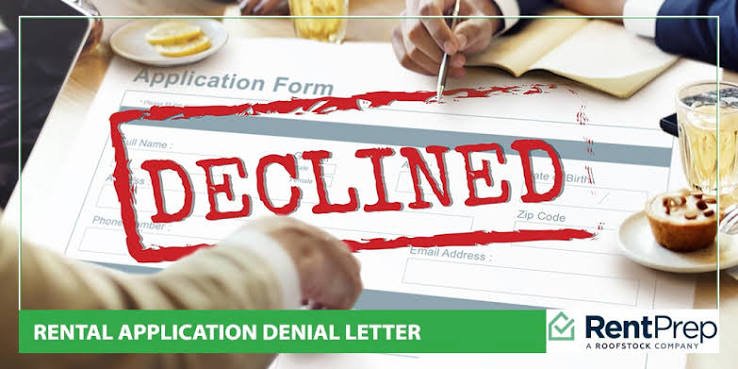
A landlord may reject an application or impose less favorable terms because of rental or credit information.
An adverse action may include:
- Denying the application
- Charging a higher security deposit
- Requiring a co-signer
- Charging higher rent
- Requiring additional prepaid rent
- Approving the application under less favorable conditions
When a landlord takes an unfavorable action based partly or entirely on a consumer report, the landlord generally must provide an adverse action notice. The notice should identify the reporting company and explain your right to obtain and dispute the report.
What Is an Adverse Action Notice?
An adverse action notice tells you that information in a tenant screening or credit report contributed to an unfavorable rental decision.
The notice should generally include:
- The reporting company’s name
- Its address
- Its phone number
- An explanation that the reporting company did not make the rental decision
- Notice of your right to dispute inaccurate information
- Notice of your right to request a free copy of the report within 60 days
The notice may be provided in writing, electronically, or orally. A written or electronic version is easier to preserve.
Request the report immediately. The report used by the landlord may contain information that does not appear in the reports you already monitor.
Does an Eviction Affect Your Credit Score?
An eviction filing and an unpaid rental debt are related but different issues.
An eviction court case may appear in a tenant screening report and affect future rental decisions. CFPB guidance states that eviction court cases may remain on a tenant screening record for up to seven years, although state laws may impose additional limits or protections.
The financial balance associated with the tenancy may also be reported separately as a collection account.
For example, a report could contain:
- An eviction filing
- The result of the housing case
- An unpaid rental balance
- A separate collection account
Check whether the screening report accurately shows the outcome. A dismissed case, a case resolved in the tenant’s favor, or a record belonging to another person should not be reported misleadingly. FTC guidance warns that screening reports should include relevant outcomes rather than listing only the filing.
Does Paying Late Rent Remove It From Your Credit?
Not automatically.
Paying the balance may cause the account to be updated to show:
- Paid
- Settled
- Zero balance
- Closed
- No longer in collection
Payment does not necessarily erase an accurate history of prior delinquency.
Before paying a collection account, ask for written information showing:
- The current creditor
- The amount owed
- How the amount was calculated
- Whether the collector owns the debt
- How payment will be reported
- Whether the landlord and collector are both reporting a balance
- What documentation you will receive after payment
Do not rely on an oral promise that payment will automatically delete all information.
What If the Rental Debt Amount Is Wrong?
Rental debt disputes commonly involve:
- Rent credited to the wrong month
- A payment that was never posted
- Late fees prohibited by the lease or local law
- Duplicate charges
- Security deposit not applied
- Damage charges for pre-existing conditions
- Charges for ordinary wear
- Utility bills belonging to another tenant
- Charges after the lawful lease termination date
- A balance already paid
- A debt belonging to someone with a similar name
- Two collectors reporting the same debt
Gather:
- Lease and renewals
- Rent receipts
- Bank statements
- Payment-portal confirmations
- Emails and text messages
- Move-in and move-out photos
- Inspection reports
- Security deposit accounting
- Payment-plan agreements
- Court orders
- Settlement documents
- Collection notices
The dispute should identify the exact charge that is wrong and explain why.
What Should You Do Before Missing a Rent Payment?
Contact the landlord before the due date when possible.
A written message should explain:
- When you expect to pay
- How much you can pay now
- When the remaining amount can be paid
- Whether you are requesting a payment plan
- Whether you are applying for rental assistance
- Whether the hardship is temporary
- How the landlord plans to report the account
Do not promise an amount or date you cannot meet.
Ask for every agreement in writing. A telephone conversation alone may be difficult to prove later.
Sample Payment-Plan Request
Subject: Request for Written Rent Payment Arrangement
Dear [Landlord or Property Manager],
I am contacting you regarding the rent payment due on [date] for:
Property address: [Address]
Tenant name: [Name]
Lease or account number: [Number]
Due to [brief description of temporary hardship], I may not be able to pay the full amount by the scheduled due date.
I can pay:
- [Amount] on [date]
- [Remaining amount] on [date]
Please let me know whether you will approve this arrangement.
Before I agree, please confirm in writing:
- The total amount due
- Any authorized late fee
- Whether additional fees will apply
- Whether eviction or collection activity will be paused
- How the account will be reported to credit or tenant screening companies
- Whether the account will be treated as current after completion of the plan
This request is not intended to waive any rights under the lease or applicable law.
Thank you,
[Name]
[Phone number]
[Email address]
[Date]
Can Positive Rent Payments Help Your Credit?
They may.
When positive rental payments are reported, they can add payment information to a consumer’s credit history. CFPB recommends asking whether the landlord participates in a rental-reporting program and considering any fees charged for the service.
Before enrolling, determine:
- Which credit bureaus receive the data
- Whether all payments or only positive payments are reported
- Whether the account can report both spouses or roommates
- How quickly information is updated
- Whether prior payments can be reported
- What happens after moving
- How disputes are handled
- Whether the service charges a setup or monthly fee
Positive reporting does not guarantee a particular score increase, loan approval, or interest rate.
Should You Enroll in Rent Reporting After a Late Payment?
Review the program carefully.
Some services report only future payments. Others may add historical information. Some may report negative information as well as positive history.
Ask:
- Will the past late payment be included?
- Does the service report an unpaid balance?
- Can the landlord correct a mistake?
- Can I cancel future reporting?
- Will previously reported information remain?
- Are all three bureaus included?
- Is the monthly cost worthwhile?
Do not enroll based solely on a promised score increase.
How to Check Whether Late Rent Was Reported
Check all three nationwide credit reports
Review Equifax, Experian, and TransUnion.
Search for:
- Rental tradelines
- Collection accounts
- Property management companies
- Former landlords
- Debt buyers
- Past-due balances
- Accounts you do not recognize
- Duplicate rental debts
A collection company’s name may be unfamiliar, so compare the original creditor information and account amount.
Check tenant screening reports
The CFPB maintains a list of specialty consumer reporting companies, including tenant screening providers. Not every company will have a file on you.
When applying for an apartment, ask which screening company the landlord uses.
If you receive an adverse action notice, request the specific report identified in the notice within 60 days.
Review your rental payment portal
Save or print:
- Payment history
- Transaction IDs
- Payment dates
- Failed-payment notices
- Returned-payment information
- Late-fee entries
- Account balance
The portal can provide useful evidence, but it may not show the exact data sent to reporting companies.
How to Dispute Incorrect Late-Rent Reporting
Step 1: Identify every report containing the error
An error might appear on:
- Equifax
- Experian
- TransUnion
- A tenant screening report
- A collection account
- More than one report
Each reporting company may require a separate dispute.
Step 2: Identify the specific error
Examples include:
- Rent was paid on time
- The payment was credited to the wrong month
- The balance is incorrect
- The debt belongs to another tenant
- The account is duplicated
- A payment plan was not reflected
- The collection was paid
- The landlord retained the security deposit but did not apply it
- An eviction case result is missing
- The account remained after an identity-theft determination
- The record is too old to be reported
Avoid writing only, “This account is wrong.” Explain the precise field or event that needs correction.
Step 3: Gather supporting documents
Include copies of:
- Lease
- Payment receipts
- Bank statements
- Portal history
- Payment-plan agreement
- Landlord correspondence
- Security deposit accounting
- Court records
- Collection letters
- Identity theft report
- Relevant report pages
Do not send original documents.
Step 4: Dispute with the reporting company
Send the dispute to every credit bureau or tenant screening company showing the error.
A reporting company generally has 30 days to investigate, although some situations allow 45 days. State law may provide a shorter period for certain tenant screening disputes.
Step 5: Dispute with the information provider
Also contact the company that supplied the information, such as:
- Landlord
- Property manager
- Rent-reporting service
- Collection agency
- Debt buyer
CFPB recommends disputing inaccurate information with both the reporting company and the furnisher.
Step 6: Notify the prospective landlord
When a housing decision is pending, tell the prospective landlord immediately that the report contains a disputed error.
Provide concise evidence and ask whether the landlord will:
- Delay the final decision
- Accept corrected documentation
- Contact the screening company
- Reconsider after the investigation
- Consider a guarantor or alternative proof
The landlord may not be required to hold the unit, so act quickly.
Sample Rental Credit Reporting Dispute Letter
Subject: Dispute of Inaccurate Rental Payment Information
Dear [Credit Bureau, Tenant Screening Company, Landlord, or Collector],
I am disputing inaccurate rental payment information in my consumer report.
My information is:
Full name: [Name]
Current address: [Address]
Former rental address: [Address]
Report or file number: [Number]
Landlord or property manager: [Company]
The disputed entry states:
[Describe the reported late payment, unpaid balance, collection, eviction entry, or other item.]
This information is inaccurate or incomplete because:
[Explain what happened and identify the correct information.]
The correct information should be:
[State the accurate payment date, balance, status, court outcome, or tenant identity.]
Attached are copies of:
- [Lease]
- [Payment receipt]
- [Bank statement]
- [Payment portal confirmation]
- [Landlord correspondence]
- [Court record]
- [Other evidence]
Please conduct a reasonable investigation and correct or remove information that is inaccurate, incomplete, outdated, duplicated, or unverifiable.
Please send me the written investigation results and an updated copy of my report.
Sincerely,
[Name]
[Address]
[Date]
What If a Debt Collector Contacts You About Late Rent?
Do not ignore the communication, but verify the debt before paying.
Request information about:
- The collector’s legal name
- The current creditor
- The original landlord
- The rental address
- The amount claimed
- An itemization of rent, fees, damage, and other charges
- The date the amount became due
- The collector’s authority to collect
- How the debt is being reported
Federal law prohibits debt collectors from using unfair, deceptive, or abusive practices. CFPB also accepts complaints involving rental debt collection.
If the amount is incorrect, submit a written dispute and include supporting records.
What If You Paid the Landlord but the Collector Still Reports the Debt?
Contact both companies.
Provide:
- Payment receipt
- Bank transaction
- Landlord confirmation
- Settlement agreement
- Updated account statement
Ask the landlord to notify the collector and every reporting company that received the inaccurate balance.
Also dispute directly with the collector and reporting company. Do not assume that correcting the landlord’s internal ledger will automatically update every consumer report.
What If You Were Denied Housing Without a Notice?
Ask the landlord in writing:
- Whether a tenant screening report was used
- Which company provided it
- Whether information in the report affected the decision
- For the required adverse action notice
- For a copy of the report, if the landlord is willing to provide it
The FCRA requires landlords to provide an adverse action notice when a consumer report contributes to an unfavorable decision. The notice requirement can apply even when the report was only one factor.
Preserve the application, denial message, receipts, emails, and advertisements.
Can Old Rental Information Remain Forever?
Generally, no.
Federal law limits how long many types of negative information can appear in consumer reports. CFPB states that eviction court cases may appear in tenant screening records for up to seven years, while certain bankruptcy-related information may remain longer. State laws may provide additional protections.
Dispute a record when:
- It exceeds the applicable reporting period
- The date is incorrect
- An old debt was improperly made to appear newer
- A dismissed case lacks the outcome
- The record belongs to another person
- State law requires suppression or sealing
Do not assume that making a payment restarts the federal credit-reporting period. Debt limitation periods and consumer reporting periods are separate legal concepts.
Common Late-Rent Credit Myths
Myth 1: Rent never appears on a credit report
Rental payment and related collection information may appear in nationwide credit reports and tenant screening reports.
Myth 2: Every landlord automatically reports rent
Reporting is not universal. Ask the landlord or payment service about its practices.
Myth 3: Paying a collection automatically deletes it
Payment may update the balance and status but does not guarantee deletion of accurate history.
Myth 4: Only an eviction affects future housing
Past-due rent, collection accounts, rental payment history, and screening scores may affect a landlord’s decision even without an eviction judgment.
Myth 5: A late fee always means your credit was damaged
A lease late fee and credit reporting are different actions. Confirm whether the landlord reports payment activity.
Myth 6: A tenant screening report is identical to a credit report
Tenant reports may include rental, eviction, identity, public-record, and other information that is not shown in a conventional credit report.
Myth 7: Requesting your own tenant report lowers your credit score
Requesting your own consumer report does not hurt your credit score.
Official Consumer Resources
- CFPB guidance on late rent and credit scores.
- CFPB tenant screening report overview.
- CFPB guide for reviewing a rental background check.
- CFPB guidance after a rental application is denied.
- CFPB list of tenant screening and other consumer reporting companies.
- FTC guidance on tenant background checks and renter rights.
- CFPB instructions for disputing credit report errors.
- CFPB information about rental debt collection rights.
Final Checklist
When rent is late or incorrectly reported:
- Read your lease and grace-period terms
- Ask whether rent is reported
- Identify which reporting companies receive data
- Contact the landlord before missing payment
- Request payment arrangements in writing
- Save receipts and portal confirmations
- Review all three credit reports
- Request relevant tenant screening reports
- Check eviction records and case outcomes
- Verify every collection charge
- Dispute with the reporting company
- Dispute with the landlord, platform, or collector
- Request the report within 60 days after adverse action
- Notify a prospective landlord about an active dispute
- Keep copies of all communications
- Seek local legal assistance when eviction or unlawful charges are involved
Bottom Line
Late rent can affect your credit score, but the result depends on how the payment is reported.
A landlord or rent-payment service may report rental activity directly. An unpaid balance may also be transferred to a collection company and later appear as rental debt. Separately, late payments, collections, and eviction information may appear in a tenant screening report and affect future housing applications.
Not every one-day delay automatically creates a negative credit entry, and a late fee does not necessarily mean a credit bureau was notified. Review your lease and ask the property manager for its exact reporting policy.
When the information is accurate, paying or settling the debt may update its balance and status but does not guarantee deletion. When the information is wrong, dispute it with both the consumer reporting company and the landlord, property manager, reporting service, or collector that supplied it.
Act quickly after a rental denial. Request the report identified in the adverse action notice, review every entry, submit supporting documents, and ask the landlord to reconsider after the correction.
FAQ
Does paying rent late affect your credit score?
It can. Rental payments and related collection information may appear in nationwide credit reports, although reporting practices differ.
Will one late rent payment appear on my credit report?
Not necessarily. It depends on whether the landlord or payment service reports the payment and how it classifies late activity.
Can a landlord report late rent without telling me?
The reporting arrangement may be disclosed in the lease, payment platform terms, or separate notice. You can ask the landlord which companies receive your rental information and dispute inaccurate reporting.
Does a rent late fee appear on a credit report?
The fee itself does not automatically appear. It may become part of a reported balance or collection debt if it remains unpaid and is lawfully owed.
Can unpaid rent go to collections?
Yes. A landlord may place an unpaid rental balance with a collector, subject to the lease and applicable law.
Will paying a rental collection remove it?
Payment may update the collection to a zero balance, paid, or settled status. It does not automatically guarantee removal of accurate information.
Can late rent prevent me from getting another apartment?
Yes. A landlord may consider credit history, rental payment records, collection accounts, eviction information, and tenant screening recommendations.
What is a tenant screening report?
It is a consumer report used by landlords that may include rental history, payment information, eviction records, credit data, identity information, and screening scores.
Am I entitled to see the report used to deny my application?
A landlord taking adverse action based on a consumer report must identify the reporting company. You generally have 60 days to request a free copy from that company.
How long can eviction information stay on a tenant report?
An eviction court case may generally remain for up to seven years, subject to applicable state protections and accuracy requirements.
How do I dispute incorrect late rent?
Dispute the item with the credit bureau or tenant screening company and with the landlord, property manager, collection company, or other business that supplied it.
Can positive rent payments improve credit?
Reported positive rent history may help build credit, but the result depends on the bureau, scoring model, reporting service, and lender. Review program fees and terms before enrolling.
Share
What's Your Reaction?
 Like
0
Like
0
 Dislike
0
Dislike
0
 Love
0
Love
0
 Funny
0
Funny
0
 Angry
0
Angry
0
 Sad
0
Sad
0
 Wow
0
Wow
0