What to Do If Your Rental Application Is Denied Because of a Tenant Screening Report
Learn what to do if your rental application is denied because of a tenant screening report, how to get your report, dispute errors, and protect your housing rights.

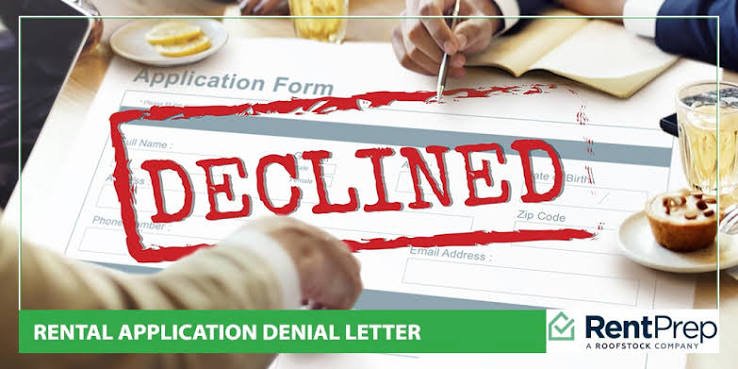
Being denied for an apartment or rental home can feel frustrating, especially when the landlord says the decision was based on a tenant screening report. You may not know what the report says, which company prepared it, or whether the information is even accurate.
The good news is that you have rights. If a landlord, property manager, or rental company makes a negative decision because of information in a tenant screening report, you can ask for details, request your report, review it for errors, and dispute information that is wrong, outdated, incomplete, or mixed with someone else’s records.
This guide explains what to do step by step if your rental application is denied because of a tenant screening report.
Quick Answer
If your rental application is denied because of a tenant screening report, ask the landlord for the name, address, and phone number of the screening company. Then request a free copy of the report from that company as soon as possible. Review the report carefully for errors, gather supporting documents, and submit a written dispute to the screening company and, when appropriate, the company or court that supplied the incorrect information.
You should also ask the landlord whether they are willing to reconsider your application after the report is corrected or after you provide additional explanation.
What Is a Tenant Screening Report?
A tenant screening report is a background report used by landlords and property managers to evaluate rental applicants. It may include information about your credit history, rental history, eviction records, criminal records, income, employment, past addresses, and other public or consumer reporting data.
Some reports may also include a score or recommendation that claims to predict rental risk. In some cases, you may not see the same score or recommendation the landlord saw unless you specifically request information from the screening company.
Tenant screening reports can be useful for landlords, but they are not always perfect. Mistakes happen. A report may include records that belong to someone with a similar name, outdated court information, duplicate eviction filings, incorrect balances, sealed records, or accounts that were already paid.
That is why it is important to act quickly if a report causes your rental application to be denied.
What Counts as a Negative Rental Decision?
A denied application is the most obvious example, but it is not the only one.
A landlord may take a negative action if they:
-
Reject your rental application
-
Require a larger security deposit
-
Charge higher rent than other applicants
-
Require a co-signer or guarantor
-
Offer different lease terms because of the report
-
Delay approval because of information in the report
If a tenant screening report played a role in the decision, you should receive an adverse action notice.
What Is an Adverse Action Notice?
An adverse action notice is a notice that tells you a negative decision was made because of information in a consumer report, such as a tenant screening report or rental background check.
The notice should help you identify the company that provided the report and explain your rights. It should include the screening company’s name, address, and phone number. It should also tell you that you have the right to request a free copy of the report and dispute inaccurate information.
The notice may be provided in writing, electronically, or orally. However, if the landlord only tells you verbally, it is smart to ask for the information in writing so you have a record.
Step 1: Ask the Landlord What Part of the Report Caused the Problem
Start by contacting the landlord or property manager politely and directly.
You can ask:
“Can you tell me what information in the tenant screening report affected my application?”
The landlord may not give every detail, but they may tell you whether the issue involved credit history, eviction records, criminal history, income verification, rental payment history, or another factor.
This matters because sometimes the issue can be explained. For example, an old eviction filing may have been dismissed, a balance may have been paid, or a court record may be incomplete. If you have proof, the landlord may be willing to reconsider.
Step 2: Get the Screening Company’s Contact Information
If the decision was based on a tenant screening report, ask for the screening company’s:
-
Name
-
Mailing address
-
Phone number
-
Website or dispute portal, if available
Do not guess which company was used. Many tenant screening companies exist, and landlords may use different providers. You need the exact company that created the report used for your application.
Step 3: Request a Free Copy of Your Tenant Screening Report
After you receive the adverse action notice, request a copy of the report from the screening company. Do this as soon as possible.
When you contact the company, provide enough identifying information for them to find your file. This may include your full legal name, date of birth, current address, prior addresses, and the rental property you applied for.
Keep a copy of your request. If you submit the request online, save screenshots or confirmation emails. If you mail the request, consider using a trackable mailing method.
Step 4: Review the Report Carefully
Once you receive the report, check every section. Do not only look at the summary page. Mistakes may appear in details, footnotes, address history, court records, or account information.
Look for these common tenant screening report errors:
-
Records that belong to another person
-
Wrong name, birth date, or address history
-
Eviction cases that were dismissed but still look active
-
The same eviction or criminal record listed multiple times
-
Paid debts still showing as unpaid
-
Incorrect rent balances or collection amounts
-
Sealed or expunged records appearing in the report
-
Outdated negative information
-
Incomplete court outcomes
-
Criminal charges reported without the final result
-
Credit accounts that do not belong to you
If anything looks wrong, highlight it and write notes. Your dispute will be stronger if you explain each error clearly.
Step 5: Gather Proof Before You Dispute
A dispute is more effective when you include supporting documents.
Useful documents may include:
-
Court records showing a case was dismissed
-
Receipts or letters proving payment
-
Lease documents
-
Emails from a landlord or property manager
-
Identity documents
-
Police reports for identity theft
-
Bankruptcy documents
-
Letters from creditors or collectors
-
Updated account statements
-
Expungement or sealing orders
-
Proof that an address does not belong to you
Send copies, not originals. Keep the originals for your records.
Step 6: Submit a Written Dispute
Send your dispute to the tenant screening company that prepared the report. If another company supplied the incorrect information, such as a debt collector, creditor, landlord, or court record provider, you may also want to dispute the information with that source.
Your dispute should include:
-
Your full name
-
Your current mailing address
-
Your date of birth
-
The report number or application reference, if available
-
A clear description of each error
-
Copies of documents supporting your claim
-
A request that the company investigate and correct or remove inaccurate information
Be specific. Instead of writing “this report is wrong,” explain exactly what is wrong.
For example:
“The report lists an eviction judgment for 123 Main Street, but the case was dismissed on March 10, 2024. I attached a copy of the court dismissal showing the correct outcome. Please update or remove this information.”
Step 7: Tell the Landlord You Are Disputing the Report
After submitting your dispute, notify the landlord or property manager.
You can say:
“I requested my tenant screening report and found information that appears to be inaccurate. I have filed a dispute with the screening company and can provide supporting documents. Would you be willing to reconsider my application after the information is corrected?”
Some landlords may wait. Others may move on to another applicant. Still, it is worth asking, especially if you can quickly provide proof that the report is wrong.
Step 8: Check Your Credit Reports Too
Many tenant screening reports include information from credit reporting companies. If the rental denial involved credit history, check your credit reports as well.
Look for incorrect balances, accounts that are not yours, duplicate collections, outdated negative items, or payments marked late when they were made on time.
If the same error appears on your credit report and tenant screening report, you may need to dispute it with both the credit reporting company and the tenant screening company.
Step 9: Watch for Outdated or Legally Restricted Information
Some older negative information generally should not remain on a tenant screening report forever. Depending on the type of information and applicable law, older records may need to be excluded.
Pay close attention to old eviction filings, civil judgments, lawsuits, arrest records, and paid debts. Also look for sealed or expunged records. If a record should no longer appear, include that issue in your dispute.
State and local laws may provide additional protections, so consider checking local housing rules or speaking with a tenant rights organization if you are unsure.
Step 10: Get Help If the Company Will Not Fix the Error
If the tenant screening company does not respond, refuses to correct clear errors, or continues reporting inaccurate information, you may need outside help.
Options may include:
-
A local legal aid office
-
A tenant rights organization
-
A consumer protection attorney
-
Your state attorney general’s office
-
A federal consumer complaint
-
A housing discrimination complaint, if discrimination may be involved
If the denial appears connected to race, color, religion, national origin, sex, disability, familial status, or another protected category under housing law, consider getting legal guidance quickly.
Sample Dispute Letter for a Tenant Screening Report
You can use this as a starting point:
Subject: Dispute of Inaccurate Information in Tenant Screening Report
Dear [Tenant Screening Company Name],
I am writing to dispute inaccurate information in my tenant screening report. I recently applied for rental housing at [property name or address], and I was informed that information in your report affected the rental decision.
The information I am disputing is:
-
[Describe the incorrect item]
-
[Explain why it is wrong, outdated, incomplete, or does not belong to you]
-
[List the documents you are attaching]
Please investigate this dispute and correct or remove any inaccurate, outdated, incomplete, or unverifiable information. I also request that you send me the results of your investigation in writing.
My identifying information is:
Full name: [Your full name]
Date of birth: [Your date of birth]
Current address: [Your address]
Phone number: [Your phone number]
Email: [Your email]
Report number, if available: [Report number]
Attached are copies of supporting documents.
Sincerely,
[Your name]
What If the Report Is Accurate?
If the report is accurate, you may not be able to remove it simply because it hurts your application. However, you still have options.
You can:
-
Ask the landlord if they will consider additional context
-
Offer proof of current income
-
Provide landlord references
-
Explain a temporary hardship
-
Offer a larger deposit if legally allowed and affordable
-
Add a qualified co-signer
-
Apply with landlords who use more flexible screening standards
-
Work on improving your credit and rental history before applying again
The key is to be honest. Do not submit false documents or misrepresent your history. A truthful explanation with strong supporting evidence is safer and more credible than trying to hide the issue.
How to Reduce Problems Before Your Next Rental Application
Before applying for another rental, take a few preventive steps.
First, check your credit reports. Correcting credit report errors before you apply can reduce the chance of being denied.
Second, ask landlords what screening criteria they use before paying an application fee. Some landlords may have strict rules about income, credit history, evictions, criminal records, or rental debt.
Third, gather documents in advance. Pay stubs, bank statements, landlord references, proof of paid debts, court records, and letters of explanation may help if a report contains complicated information.
Fourth, use your full legal name and accurate identifying information on the application. This can reduce the risk of being mixed with someone else who has a similar name.
Fifth, keep records of every application, fee, notice, and report request.
Final Checklist After a Rental Denial
If your rental application was denied because of a tenant screening report, use this checklist:
-
Ask the landlord what part of the report caused the denial
-
Request the screening company’s name, address, and phone number
-
Ask for a written adverse action notice
-
Request your free tenant screening report
-
Review the full report for errors
-
Gather proof for each incorrect item
-
File a written dispute with the screening company
-
Dispute related credit report errors if needed
-
Notify the landlord that you are disputing inaccurate information
-
Save copies of everything
-
Consider legal help if your rights were violated
Bottom Line
A denied rental application does not always mean the landlord had the full or correct picture. Tenant screening reports can contain mistakes, outdated records, duplicate entries, or information that belongs to someone else.
If your application is denied because of a tenant screening report, act quickly. Get the screening company’s information, request your report, review every detail, and dispute errors in writing with supporting documents.
You may not be able to change every rental decision, but correcting your report can help protect your future housing opportunities.
FAQ
Why was my rental application denied after a background check?
Your application may have been denied because of credit history, eviction records, criminal records, unpaid rent, income verification issues, past addresses, or a score or recommendation generated by a tenant screening company.
Can I get a copy of the tenant screening report?
Yes. If a negative rental decision was based on a tenant screening report, you can request a free copy from the screening company after receiving the adverse action notice.
How long does a tenant screening dispute take?
Tenant screening companies generally must investigate disputes within about 30 days, although some situations may allow a longer period and some states may have shorter deadlines.
Can I dispute an eviction on a tenant screening report?
Yes. You can dispute eviction information if it is inaccurate, incomplete, outdated, duplicated, sealed, expunged, or missing the final court outcome.
Should I tell the landlord I am disputing the report?
Yes. Letting the landlord know may help, especially if you can provide proof that the report contains an error. The landlord is not always required to hold the unit, but asking for reconsideration is still worthwhile.
Can tenant screening reports include credit information?
Yes. Many tenant screening reports include credit-related information from major credit reporting companies or other consumer reporting sources.
What should I do if the tenant screening company refuses to fix an error?
Keep copies of your dispute and supporting documents. You may consider contacting a legal aid office, consumer protection attorney, state attorney general, the CFPB, the FTC, or another appropriate agency.
Share
What's Your Reaction?
 Like
0
Like
0
 Dislike
0
Dislike
0
 Love
0
Love
0
 Funny
0
Funny
0
 Angry
0
Angry
0
 Sad
0
Sad
0
 Wow
0
Wow
0