Credit Repair Services Explained: The Truth About What They Can and Cannot Do
Learn the truth about credit repair services, what legitimate companies can do, common credit repair scams, consumer rights, costs, and how to improve your credit safely.

Credit repair services are often advertised as a fast solution for people struggling with low credit scores, negative accounts, collections, bankruptcies, or inaccurate information on their credit reports.
Some companies genuinely help consumers identify errors, organize disputes, and better understand their credit files. However, the credit repair industry also contains companies that make unrealistic promises, charge illegal fees, or mislead consumers about what they can accomplish.
Understanding the truth about credit repair services can help you avoid scams and make better decisions about improving your credit.
Credit repair is not magic. A legitimate company cannot erase accurate negative information from your credit report simply because it hurts your score. However, consumers do have rights when credit reports contain inaccurate, incomplete, outdated, or unverifiable information.
What Are Credit Repair Services?
Credit repair services are companies that help consumers review their credit reports and challenge information they believe is inaccurate or incomplete.
Typical credit repair services may include:
- Reviewing credit reports
- Identifying possible errors
- Preparing dispute letters
- Communicating with credit bureaus
- Tracking dispute progress
- Providing credit education
- Helping consumers create improvement plans
Credit repair companies usually focus on correcting reporting problems, not removing information that is accurate.
For example:
A credit repair company may help dispute:
- An account that does not belong to you
- Incorrect payment history
- Duplicate collection accounts
- Incorrect account balances
- Outdated information
- Identity theft accounts
However, a legitimate company cannot legally remove a correctly reported late payment, valid collection account, or accurate bankruptcy simply because you want it gone.
How Does Credit Repair Work?
A typical credit repair process usually follows several steps.
Step 1: Review Your Credit Reports
The first step is understanding what information appears in your credit files.
Consumers should review reports from major credit reporting agencies and look for:
- Incorrect personal information
- Accounts they do not recognize
- Wrong payment dates
- Incorrect balances
- Duplicate accounts
- Unauthorized inquiries
Credit repair starts with finding problems, not making promises.
Step 2: Identify Potential Errors
Not every negative item is removable.
A legitimate dispute usually requires a reason why information is inaccurate, incomplete, or cannot be verified.
Examples:
Possible dispute:
“Account balance is reported as $3,000, but records show the balance was paid.”
Not a valid dispute:
“I do not like this account because it lowers my score.”
Credit reporting laws protect consumers from inaccurate reporting, not from accurate negative information.
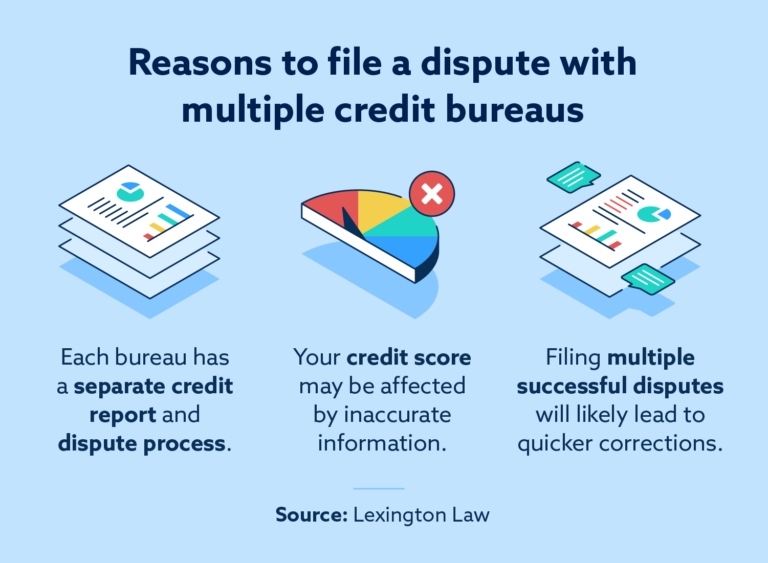
Step 3: Submit Disputes
Consumers or credit repair companies may send disputes to:
- Credit reporting agencies
- Banks
- Credit card companies
- Collection agencies
- Other companies reporting information
A dispute should include:
- The specific item being disputed
- The reason it is inaccurate
- Supporting documentation
- A request for correction or deletion
Generic disputes without evidence are often less effective.
Step 4: Review Investigation Results
After a dispute is submitted, the reporting company investigates the information.
Possible outcomes:
- Information is corrected
- Information is removed
- Information remains unchanged
- Additional documentation is requested
If the information is accurate and verified, it usually remains on the report.
What Can Legitimate Credit Repair Companies Do?
A legitimate credit repair company may provide value by helping consumers organize the process.
They may help with:
Finding Credit Report Errors
Many consumers do not know what to look for on a credit report.
Professionals may help identify:
- Reporting mistakes
- Duplicate information
- Identity theft issues
- Incorrect account details
Managing the Dispute Process
Credit disputes require organization.
A company may help:
- Prepare letters
- Track deadlines
- Maintain records
- Communicate with reporting agencies
Providing Credit Education
Good companies may explain:
- How payment history affects scores
- How credit utilization works
- Why old accounts matter
- How inquiries affect credit
- How to rebuild credit responsibly
Education is often more valuable than simply sending disputes.
What Credit Repair Companies Cannot Do
Many scams rely on promises that are impossible or illegal.
A credit repair company cannot:
Remove Accurate Negative Information
If a late payment, collection account, or bankruptcy is accurate, it generally cannot simply be deleted.
Create a New Credit Identity
Some scammers sell illegal “new credit profiles” or encourage consumers to use fake Social Security numbers.
This can lead to serious legal consequences.
Guarantee a Specific Credit Score Increase
No company can honestly guarantee:
- “Raise your score 200 points”
- “Delete all negative accounts”
- “Get approved everywhere”
Credit scores depend on many factors outside a company's control.
Ask You to Lie
A company should never encourage you to:
- Dispute information you know is accurate
- Claim accounts are fraudulent when they are not
- Submit false documents
- Misrepresent your identity
Common Credit Repair Scams
Credit repair scams often target people who urgently need better credit.
Common warning signs include:
1. Guaranteed Results
Be careful if a company promises:
- Guaranteed credit score increases
- Guaranteed loan approval
- Guaranteed removal of all negative items
No legitimate company can guarantee those results.
2. Asking for Large Upfront Payments
Federal law limits how credit repair organizations can charge consumers. Companies should follow requirements under the Credit Repair Organizations Act (CROA), including providing required disclosures and following restrictions on certain payment practices.
Be cautious if a company demands large payments before providing services.
3. Telling You to Dispute Everything
Some companies tell customers to dispute every negative account, even accurate ones.
This approach can create problems and may damage your credibility.
4. Promising a “New Credit Identity”
A company offering:
- New Social Security numbers
- New credit files
- Secret government programs
is likely a scam.
5. Asking You to Misrepresent Information
Never provide false information to:
- Credit bureaus
- Banks
- Landlords
- Employers
- Government agencies
How Much Do Credit Repair Services Cost?
Costs vary widely.
Some companies charge:
- Monthly fees
- Setup fees
- Subscription fees
- Service packages
Before signing up, ask:
- What exactly is included?
- How much does it cost?
- When will I be charged?
- Can I cancel?
- Are results guaranteed?
- What happens if nothing changes?
A trustworthy company should clearly explain pricing before you agree.
Can You Repair Your Credit Yourself?
Yes.
Many credit repair steps can be completed without hiring a company.
You can:
Get Your Credit Reports
Review your credit reports and identify errors.
Dispute Incorrect Information
You can contact credit reporting agencies yourself.
Reduce Credit Card Balances
Credit utilization is an important factor in many credit scoring models.
Pay Bills on Time
Payment history is one of the most important factors affecting credit scores.
Avoid New Unnecessary Applications
Too many credit applications can create additional inquiries.
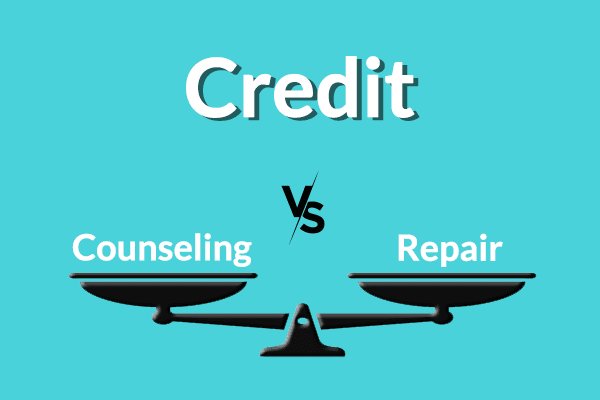
Credit Repair Services vs Credit Counseling
These services are different.
Credit Repair
Usually focuses on:
- Credit report errors
- Disputes
- Incorrect information
Credit Counseling
Usually focuses on:
- Budgeting
- Debt management
- Financial planning
- Repayment strategies
Some consumers need credit education or budgeting help rather than credit repair.
How to Choose a Legitimate Credit Repair Company
Before hiring a company:
Check Their Reputation
Look for:
- Clear company information
- Real contact information
- Transparent pricing
- Reviews from multiple sources
Read the Contract Carefully
Make sure it explains:
- Services provided
- Fees
- Cancellation rights
- Expected timeline
- Consumer responsibilities
Avoid Pressure Sales
Be cautious if someone:
- Pressures you to sign immediately
- Claims they have a secret method
- Refuses to explain the process
- Promises unrealistic results
Questions to Ask Before Hiring Credit Repair Services
Ask:
- What specific services do you provide?
- How do you identify errors?
- What happens if information is accurate?
- How much does the service cost?
- When do payments begin?
- Can I cancel?
- What documentation do you need?
- Do you guarantee results?
A professional company should answer clearly.
How Long Does Credit Repair Take?
The timeline depends on:
- Number of errors
- Complexity of the case
- Response times
- Documentation available
- Credit reporting company procedures
Simple errors may be resolved faster. Complex identity theft or multiple-account disputes may take longer.
Improving credit also requires long-term financial habits.
Do Credit Repair Services Really Work?
They can help in certain situations.
Credit repair may be useful when:
- Your report contains errors
- You have identity theft problems
- You have inaccurate collection accounts
- You need help organizing disputes
However, credit repair cannot:
- Delete accurate information
- Instantly rebuild credit
- Guarantee approvals
The effectiveness depends on whether there are legitimate problems to correct.
Final Checklist Before Hiring Credit Repair Services
Before paying a company:
✅ Review your credit reports yourself
✅ Identify actual errors
✅ Research the company
✅ Read the contract
✅ Understand all fees
✅ Avoid guarantees
✅ Avoid companies asking you to lie
✅ Keep copies of all documents
✅ Understand your legal rights
Bottom Line
Credit repair services can be helpful when they focus on correcting inaccurate credit report information and educating consumers. However, no company can legally erase accurate negative information or guarantee a perfect credit score.
The best approach is understanding your rights, reviewing your credit reports, disputing legitimate errors, and building healthy financial habits over time.
A trustworthy credit repair company should provide transparency, realistic expectations, and respect for consumer protection laws.
FAQ
Do credit repair companies really work?
Credit repair companies may help remove inaccurate or incomplete information from credit reports. They cannot legally remove accurate negative information.
Is credit repair legal?
Yes, credit repair itself is legal. However, companies must follow consumer protection laws, including requirements under the Credit Repair Organizations Act.
How do I know if a credit repair company is legitimate?
Look for transparent pricing, written agreements, realistic promises, and clear explanations of services.
Can credit repair companies remove collections?
They may help dispute collections if the information is inaccurate, incomplete, or cannot be verified. They cannot remove valid collections simply because they hurt your score.
Is fixing my credit myself possible?
Yes. Consumers can review reports, dispute errors, and improve financial habits without hiring a credit repair company.
What is the biggest credit repair scam?
Common scams include guaranteed score increases, fake credit identities, upfront fees before services, and promises to erase all negative information.
Should I hire a credit repair company?
It depends on your situation. If your reports contain complex errors or identity theft issues, professional help may be useful. If your reports are accurate, improving credit habits may be more effective.
Official Resources
Federal Trade Commission - Credit Repair Information:
https://consumer.ftc.gov/articles/credit-repair-how-help-yourself
Consumer Financial Protection Bureau - Credit Reports and Scores:
https://www.consumerfinance.gov/consumer-tools/credit-reports-and-scores/
Annual Credit Report Official Website:
https://www.annualcreditreport.com/
Identity Theft Recovery:
Share
What's Your Reaction?
 Like
0
Like
0
 Dislike
0
Dislike
0
 Love
0
Love
0
 Funny
0
Funny
0
 Angry
0
Angry
0
 Sad
0
Sad
0
 Wow
0
Wow
0