How to File a Free Credit Dispute with the 3 Major Credit Bureaus
Learn how to fix your credit score for free. Follow our step-by-step guide to dispute errors on your credit report with Equifax, Experian, and TransUnion.


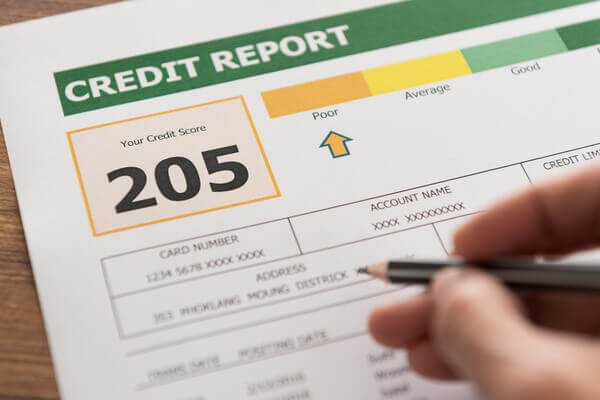
A single mistake on your credit report can cost you thousands of dollars in higher interest rates, car loan denials, or rejections on apartment applications. According to the Federal Trade Commission (FTC), one in five Americans has an error on at least one of their credit reports.
The good news? You do not need to pay a credit repair company hundreds of dollars to fix this. Under the Fair Credit Reporting Act (FCRA), you have the legal right to dispute any inaccurate information on your own—completely for free.
Here is your ultimate step-by-step guide on how to file a free credit dispute with the three major credit bureaus: Equifax, Experian, and TransUnion.
Step 1: Access Your Free Credit Reports
Before you can dispute an error, you need to find it. Do not use shady websites that ask for your credit card number.
By law, you can pull your official, 100% free credit reports from all three bureaus at AnnualCreditReport.com.
Once you download your reports, review them carefully and look for common red flags:
- Incorrect personal information (wrong name, address, or employer)
- Account errors (accounts that don't belong to you, closed accounts listed as open)
- Payment history mistakes (accounts wrongly marked as late or in collections)
- Duplicate accounts (the same debt listed multiple times)
Step 2: Gather Your Supporting Evidence
The credit bureaus are required to investigate your dispute, but they can dismiss it as "frivolous" if you don't provide proof. To ensure a successful dispute, gather copies of:
- Your government-issued ID and a utility bill (to prove your identity)
- Bank statements showing on-time payments
- Canceled checks or receipts proving a debt was paid off
- Letters from creditors acknowledging a mistake
Tip: Always use a highlighter to mark the specific error on your printed credit report copy.
Step 3: Choose Your Dispute Method
You can file your dispute through three main channels. While online is the fastest, mailing a physical dispute letter is often the most legally strategic option.
Method A: Disputing Online (Fastest)
All three bureaus provide free online dispute portals. You simply create an account, upload your documents, and select the item you want to contest:
- Experian: experian.com
- Equifax: equifax.com
- TransUnion: transunion.com
Method B: Disputing by Mail (Recommended for Complex Cases)
Mailing a physical letter creates a legal paper trail. If a bureau fails to fix a clear mistake, a physical mail history is crucial if you ever need to take legal action.
Write a clear, concise Credit Dispute Letter stating:
- Your account details and contact information.
- The specific item and account number you are disputing.
- The exact reason why the information is inaccurate (e.g., "This account was paid in full on March 2025").
- A formal request to delete or correct the item.
Important: Send your letters via Certified Mail with Return Receipt Requested. This gives you legal proof of the exact date the bureau received your dispute.
Step 4: Mail to the Three Major Credit Bureaus
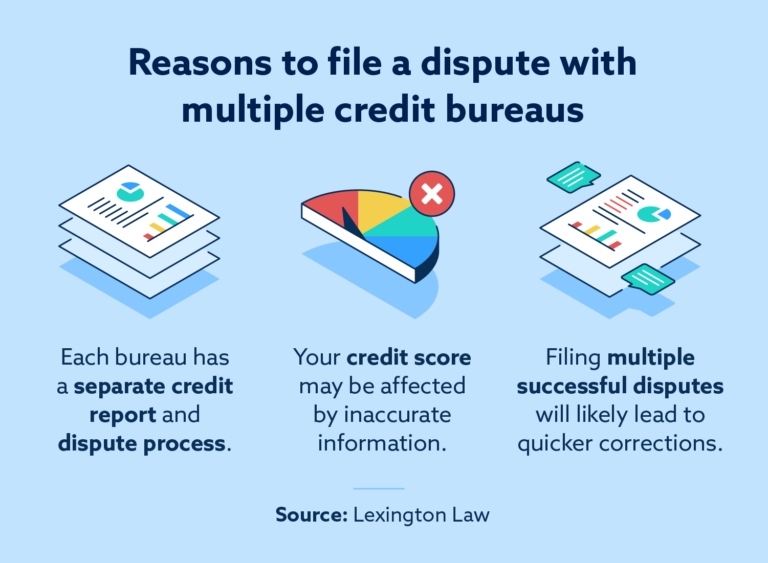
Because the bureaus do not share information with each other, you must mail a separate letter to each bureau that reports the error. Use the official mailing addresses below:
- Equifax Information Services LLC
P.O. Box 740256, Atlanta, GA 30374-0256 - Experian
P.O. Box 4500, Allen, TX 75013 - TransUnion Consumer Solutions
P.O. Box 2000, Chester, PA 19016-2000
Step 5: Wait for the Results (The 30-Day Window)
Once a credit bureau receives your dispute, they generally have 30 days (sometimes extended to 45 days if you provided new info during the investigation) to investigate and respond.
They will contact the creditor who provided the data. If the creditor cannot verify the information, the bureau must delete or modify the item by law.
Once the investigation concludes, you will receive a free copy of your updated credit report and a letter detailing the results.
Final Thoughts: Be Patient and Persistent
Repairing your credit for free takes time, but the financial freedom is worth the effort. If a bureau denies your dispute but you know you are right, you can submit a complaint to the Consumer Financial Protection Bureau (CFPB) or dispute the error directly with the creditor (the bank or credit card issuer) who reported it.
Bookmark CreditRepairHelpGuide.com for more free, actionable advice on boosting your credit score and taking control of your financial future!
Share
What's Your Reaction?
 Like
0
Like
0
 Dislike
0
Dislike
0
 Love
0
Love
0
 Funny
0
Funny
0
 Angry
0
Angry
0
 Sad
0
Sad
0
 Wow
1
Wow
1