Where Can I Get My Credit Scores? Free and Paid Options Explained
Learn where to get your credit scores, how free and paid credit score services work, why scores may differ, and how to review your credit reports safely.
Knowing your credit scores can help you understand how lenders, credit card companies, landlords, and sometimes insurance providers may view your financial profile. But many people are confused about where to find their scores, whether free scores are accurate, and why one score may look different from another.
The good news is that there are several ways to check your credit scores. Some are free, some are paid, and some are included with other financial services you may already use.
This guide explains where to get your credit scores, what to watch out for before signing up, and why reviewing your credit reports is just as important as checking the number.
Quick Answer
You can often get credit scores for free from your credit card issuer, bank, lender, nonprofit credit counselor, housing counselor, or a free credit score website. You can also buy scores directly from certain scoring companies or through paid credit monitoring services.
Before you rely on any score, check what type of score it is, which credit bureau data it uses, how often it updates, and whether the service charges a monthly fee after a free trial.
Why Your Credit Score Matters
A credit score is a number designed to estimate credit risk. In simple terms, it helps a lender predict how likely you may be to repay borrowed money on time.
Credit scores may affect:
-
Whether you qualify for a credit card
-
Whether you qualify for an auto loan
-
Whether you qualify for a mortgage
-
The interest rate you receive
-
The credit limit you are offered
-
Some rental screening decisions
-
Some insurance-related decisions, depending on the situation and state law
A higher score does not guarantee approval, but it can make borrowing easier and may help you qualify for better terms.
You Do Not Have Just One Credit Score
One of the biggest misunderstandings about credit scores is the idea that every person has one single official score.
In reality, you may have many credit scores.
Your score can change depending on:
-
The scoring model used
-
The credit bureau data used
-
The date the score was calculated
-
The type of loan involved
-
Whether the score is designed for general education, mortgages, auto loans, or credit cards
That means your score from a credit card app may not match the score a mortgage lender uses. This does not always mean one score is wrong. It may simply mean they are different scoring versions using different data or timing.
Option 1: Check Your Credit Card or Bank Account
Many major credit card issuers, banks, and lenders provide credit scores to customers for free.
You may find your score:
-
On your monthly statement
-
Inside your online banking account
-
In your credit card mobile app
-
Under a section called “Credit Score,” “Credit Health,” or “Credit Journey”
This is usually one of the easiest ways to check your score because you may already have access.
Before relying on it, look for details such as:
-
Is it a FICO Score or VantageScore?
-
Which credit bureau does it use?
-
How often is it updated?
-
Is it for educational purposes?
-
Is it based on your credit card relationship or a full credit bureau file?
Free scores from banks and card issuers can be helpful for tracking general credit trends over time.
Option 2: Use a Free Credit Score Website
Many websites and apps offer free credit scores. These services often make money through advertising, product recommendations, or referral partnerships.
A free score can be useful, especially if the service also explains what is affecting your score. However, you should understand how the company makes money and what you are agreeing to.
Before signing up, check:
-
Whether the service is truly free
-
Whether a credit card is required
-
Whether you are enrolling in a free trial
-
Whether the trial turns into a monthly subscription
-
Whether the company will show you ads or product offers
-
How your personal data may be used
A free credit score is helpful only if the service is transparent and easy to cancel if paid features are involved.
Option 3: Ask a Nonprofit Credit Counselor
A nonprofit credit counselor may be able to help you access and understand your credit report and score. This option can be especially useful if you are dealing with debt, collection accounts, budgeting problems, or confusion about what your score means.
A good counselor can help you review:
-
Payment history
-
Credit card balances
-
Collection accounts
-
Credit report errors
-
Debt repayment options
-
Budgeting strategies
-
Ways to build credit over time
The benefit of counseling is that you are not only seeing a number. You are getting context.
Be sure to choose a reputable counselor. Avoid any company that promises to erase accurate negative information, guarantees a specific score increase, or demands large upfront fees.
Option 4: Ask a HUD-Approved Housing Counselor
If you are preparing to rent or buy a home, a housing counselor may help you understand your credit situation before you apply.
Housing counselors may assist with:
-
Mortgage readiness
-
Rental application preparation
-
Budget planning
-
Credit report review
-
Homebuyer education
-
Avoiding foreclosure
-
Understanding debt obligations
This can be useful if your goal is housing-related, such as getting ready for a mortgage or improving your rental application profile.
Option 5: Buy a Credit Score Directly
You can also purchase credit scores directly from scoring companies or credit-related services. For example, some consumers buy FICO scores when they want a score that may be closer to what certain lenders use.
Paid scores may be useful when:
-
You are preparing for a mortgage
-
You want access to multiple bureau scores
-
You want a specific scoring model
-
You want ongoing monitoring
-
You want alerts for major credit file changes
However, you do not always need to pay for a score. If you only want to track general progress, a free score may be enough.
Before buying, check whether the purchase is a one-time score, a subscription, or a bundle that includes credit monitoring or identity protection.
Option 6: Use a Paid Credit Monitoring Service
Credit monitoring services may include credit scores, alerts, identity theft tools, dark web monitoring, credit report updates, or fraud-related features.
These services may be helpful if you want ongoing alerts, especially after identity theft or a major data breach.
But be careful with subscription pricing.
Before enrolling, ask:
-
How much does it cost per month?
-
Is there a free trial?
-
When does billing start?
-
How do I cancel?
-
Which credit bureaus are monitored?
-
Does it include all three credit reports?
-
Does it provide FICO, VantageScore, or another score?
-
Is the score educational or lender-used?
Do not pay for features you do not need.
What Is an Educational Credit Score?
Some services provide an educational credit score. This means the score is designed to help you understand your credit health, but it may not be the exact same score a lender uses for a loan decision.
An educational score can still be useful. It can help you see whether your credit is improving, declining, or staying about the same.
However, if you are applying for a mortgage, auto loan, or other major credit product, remember that the lender may use a different score.
Why Your Free Credit Score May Be Different From a Lender’s Score
It is normal for scores to differ.
For example, your bank app may show one score, a credit monitoring app may show another, and your auto lender may use a different version.
This can happen because:
-
One score uses Experian data
-
Another score uses Equifax data
-
Another score uses TransUnion data
-
The scores were calculated on different dates
-
Different scoring models were used
-
One score is general-purpose
-
Another score is industry-specific
Instead of focusing only on one number, watch the overall direction. If your score is improving over time, that is a positive sign.
Credit Score vs. Credit Report: What Is the Difference?
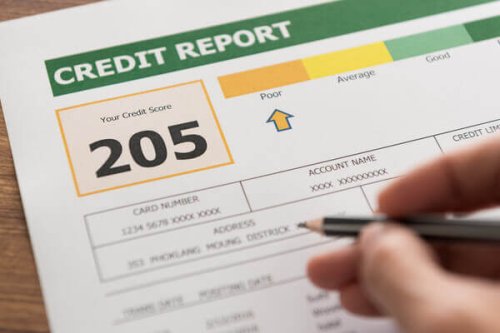
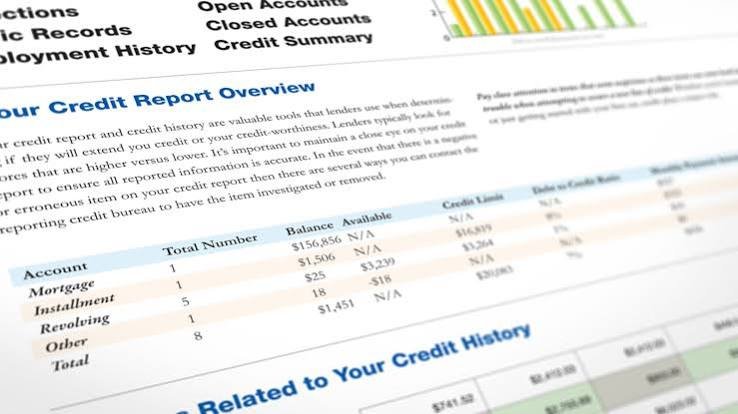
Your credit report is a detailed record of credit-related information. It may include accounts, balances, payment history, collection accounts, public record information, inquiries, and personal identifying information.
Your credit score is calculated from information in your credit report.
That means your score depends heavily on the accuracy of your credit report. If your credit report contains errors, your score may be lower than it should be.
Common credit report errors include:
-
Accounts that do not belong to you
-
Payments wrongly marked late
-
Incorrect balances
-
Duplicate collection accounts
-
Old accounts still reporting incorrectly
-
Identity theft accounts
-
Wrong personal information
-
Paid accounts still showing as unpaid
This is why checking your credit reports is essential.
Where Can You Get Your Credit Reports?
You can request your credit reports from the major credit reporting companies. Reviewing your reports helps you understand what information is being used to calculate your scores.
When reviewing your reports, check:
-
Name and address history
-
Open accounts
-
Closed accounts
-
Payment history
-
Credit limits
-
Balances
-
Collection accounts
-
Inquiries
-
Any unfamiliar activity
If you find errors, dispute them with the credit reporting company and with the company that provided the incorrect information.
Does Checking Your Own Credit Score Hurt Your Credit?
Checking your own credit score usually does not hurt your credit.
When you check your own credit, it is generally considered a soft inquiry. Soft inquiries are different from hard inquiries, which may happen when you apply for credit.
Examples of soft inquiries may include:
-
Checking your own credit score
-
Using a credit monitoring app
-
Receiving prequalified credit offers
-
Reviewing your own credit report
A hard inquiry may occur when you apply for a credit card, loan, mortgage, or other financing.
What to Watch Out For With “Free Credit Score” Offers
Not every free credit score offer is bad, but you should read the details carefully.
Be cautious if:
-
You must enter a credit card to get the score
-
The service automatically converts to paid billing
-
Cancellation is difficult
-
The site does not clearly explain the score type
-
The service pushes expensive add-ons
-
You are pressured to buy credit repair
-
The company promises to raise your score quickly
A trustworthy service should clearly explain what you are getting and what it costs.
How Often Should You Check Your Credit Score?
For most people, checking once a month is enough to track general progress. If you are preparing for a major loan, recovering from identity theft, or working to rebuild credit, you may want to check more often.
However, do not panic over small changes. Credit scores can move up or down because of normal reporting updates, balance changes, new accounts, closed accounts, or timing differences.
Focus on long-term habits:
-
Pay bills on time
-
Keep credit card balances low
-
Avoid unnecessary new applications
-
Keep older positive accounts in good standing
-
Correct credit report errors
-
Build a mix of responsible credit over time
How to Choose the Best Place to Get Your Credit Score
The best source depends on your goal.
If you want a quick general view, your bank or credit card app may be enough.
If you want to monitor credit regularly, a free credit score app may work.
If you are preparing for a mortgage, you may want a more specific score product.
If you are overwhelmed by debt or credit report issues, a nonprofit credit counselor may be more helpful than simply checking a score.
Before choosing a source, ask:
-
Is it free or paid?
-
Is it a one-time score or a subscription?
-
Which scoring model is used?
-
Which credit bureau data is used?
-
How often does it update?
-
Is it educational or lender-used?
-
Does the service explain what affects my score?
-
Can I cancel easily?
Practical Steps to Improve Your Score After Checking It
Once you know your score, take action based on what is affecting it.
Start with these steps:
-
Review your credit reports for errors.
-
Pay all current bills on time.
-
Reduce high credit card balances.
-
Avoid applying for too many new accounts.
-
Keep older positive accounts open when possible.
-
Bring past-due accounts current if you can.
-
Create a debt repayment plan.
-
Dispute inaccurate credit report information.
-
Avoid credit repair scams promising guaranteed results.
-
Track your score over time instead of reacting to every small change.
Credit improvement usually takes time, but consistent habits can make a real difference.
Final Checklist: Where to Get Your Credit Scores
You may be able to get your credit scores from:
-
Your credit card company
-
Your bank or credit union
-
Your loan servicer
-
A free credit score website
-
A nonprofit credit counselor
-
A housing counselor
-
A paid credit score provider
-
A credit monitoring service
-
A scoring company’s official website
Before using any source, confirm the cost, scoring model, credit bureau data, update frequency, and cancellation terms.
Bottom Line
You have several options for getting your credit scores. Many people can access a free score through a credit card company, bank, lender, nonprofit counselor, housing counselor, or free credit score service. Paid options may also be useful if you want a specific scoring model or ongoing monitoring.
The most important thing is to understand what kind of score you are looking at. Your credit score may vary depending on the scoring model, credit bureau, timing, and type of loan.
Also remember that your score is only part of the picture. Your credit report contains the information used to calculate your score, so reviewing your reports and correcting errors is one of the smartest steps you can take.
FAQ
Where can I get my credit score for free?
You may be able to get a free credit score from your credit card issuer, bank, lender, credit union, nonprofit credit counselor, housing counselor, or a free credit score website.
Why are my credit scores different on different websites?
Scores can differ because different websites may use different scoring models, credit bureau data, update schedules, and score versions.
Is a free credit score accurate?
A free credit score can be useful, but it may be an educational score rather than the exact score a lender uses. It can still help you track your credit health over time.
Should I pay for my credit score?
You do not always need to pay. A paid score may be useful if you need a specific score type, want multiple bureau scores, or are preparing for a major loan such as a mortgage.
Does checking my own credit score lower it?
Checking your own credit score usually does not lower your credit because it is generally treated as a soft inquiry.
What is the difference between a credit score and a credit report?
A credit report contains detailed credit information, such as accounts, balances, and payment history. A credit score is calculated from information in your credit report.
What should I do if my score is lower than expected?
Review your credit reports for errors, pay bills on time, reduce high credit card balances, avoid unnecessary applications, and dispute inaccurate information.
Share
What's Your Reaction?
 Like
0
Like
0
 Dislike
0
Dislike
0
 Love
0
Love
0
 Funny
0
Funny
0
 Angry
0
Angry
0
 Sad
0
Sad
0
 Wow
0
Wow
0