How Can I Tell a Credit Repair Scam From a Reputable Credit Counselor?
Learn how to spot credit repair scams, avoid fake promises, identify trusted credit counselors, and choose safe help for improving your credit.

Meta Description: Learn how to spot credit repair scams, identify reputable credit counselors, avoid illegal upfront fees, and choose safe help for improving your credit.
When your credit score is holding you back, it is natural to look for help. Maybe you were denied for a mortgage, your credit card interest rates are too high, or old accounts on your credit report are making it harder to move forward. In that moment, a company promising to “delete bad credit fast” or “raise your score in 30 days” can sound tempting.
But not all credit help is the same.
Some companies are legitimate credit counseling organizations that help you understand your budget, debt, credit reports, and repayment options. Others are credit repair scams that take your money, make promises they cannot legally keep, or even encourage you to do things that could create bigger financial and legal problems.
The difference matters. A reputable credit counselor helps you make informed decisions. A scammer pressures you, hides the details, and promises shortcuts that do not exist.
This guide explains how to tell the difference.
Quick Answer
A credit repair scam usually promises fast or guaranteed credit score results, asks for payment before doing any real work, claims it can remove accurate negative information, or tells you to dispute true items on your credit report.
A reputable credit counselor is usually transparent, affordable, willing to explain your options, does not guarantee a specific score increase, and may be part of a recognized nonprofit counseling network. A legitimate counselor focuses on education, budgeting, debt management, and long-term financial improvement instead of fake “instant credit repair.”
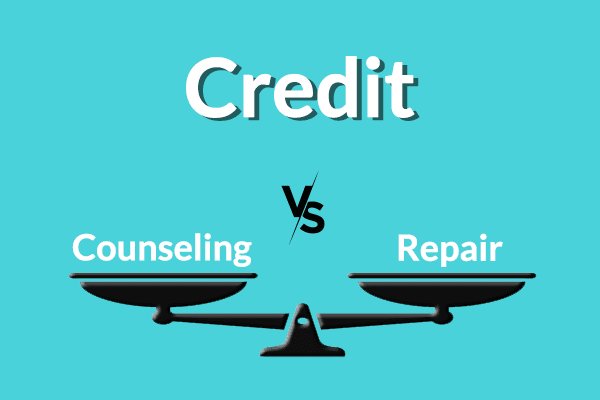
Credit Repair vs. Credit Counseling: What Is the Difference?
Credit repair and credit counseling are often confused, but they are not the same thing.
Credit repair usually focuses on challenging inaccurate, outdated, incomplete, or unverifiable information on your credit reports. This can be legitimate when there are real errors. For example, if a paid account is still showing as unpaid, or an account that does not belong to you appears on your report, you have the right to dispute it.
Credit counseling is broader. A credit counselor may help you review your budget, understand your credit report, create a debt repayment strategy, manage bills, avoid bankruptcy if possible, or enroll in a debt management plan if appropriate.
A trustworthy counselor does not simply say, “We can erase your bad credit.” Instead, they help you understand what is accurate, what can be disputed, what habits can improve your credit over time, and what debt options may fit your situation.
Major Warning Signs of a Credit Repair Scam
1. They Ask You to Pay Before Doing Any Work
One of the biggest red flags is an upfront fee. If a company wants payment before it has performed the promised credit repair services, be very careful.
Scammers often use words like:
- “Setup fee”
- “Activation fee”
- “File preparation fee”
- “Enrollment fee”
- “First work fee”
- “VIP processing fee”
A legitimate organization should clearly explain what you are paying for, when fees are charged, and what services are included. If the company pressures you to pay immediately before giving you written details, that is a warning sign.
2. They Guarantee a Specific Credit Score Increase
No honest company can guarantee that your score will rise by a certain number of points.
Your credit score depends on many factors, including your payment history, credit utilization, age of accounts, credit mix, recent applications, and the scoring model being used. Even if inaccurate information is corrected, the score impact can vary.
Be suspicious of claims like:
- “Guaranteed 100-point increase”
- “Raise your score in 30 days”
- “We guarantee mortgage approval”
- “We remove all negative items”
- “Bad credit deleted permanently”
A reputable counselor can explain possible outcomes, but they will not guarantee a specific score.
3. They Promise to Remove Accurate Negative Information
Negative information is not automatically illegal or removable. If a late payment, collection, charge-off, bankruptcy, or other negative item is accurate and still within the allowed reporting period, a credit repair company generally cannot legally make it disappear simply because you do not like it.
A legitimate credit counselor will tell you the truth: accurate negative information may take time to age off your report. In the meantime, you can work on positive habits such as paying current bills on time, reducing credit card balances, avoiding unnecessary new debt, and correcting any actual errors.
Scammers sell false hope. Reputable counselors give realistic guidance.
4. They Tell You to Dispute Everything, Even Accurate Information
Disputing incorrect information is your legal right. Disputing information you know is accurate is not a responsible credit strategy.
Some credit repair scams flood the credit bureaus with disputes, hoping creditors will fail to verify items in time. This may temporarily remove an item, but it can reappear if verified later. It also does not solve the underlying debt problem.
A reputable counselor will help you identify legitimate errors. They will not tell you to lie or dispute every negative account just because it hurts your score.
5. They Suggest Creating a “New Credit Identity”
This is a serious red flag.
Some scams claim they can help you start over with a new credit profile by using an Employer Identification Number, a Credit Privacy Number, or another number instead of your Social Security number. They may present this as a legal loophole.
Do not do it.
Using false information on a credit application can create serious legal trouble. It may also involve stolen personal information. A reputable counselor will never tell you to create a fake identity, hide your real credit history, or misrepresent who you are to lenders.
6. They Pressure You to Act Immediately
Scammers often use urgency to stop you from thinking clearly.
They may say:
- “This offer expires today.”
- “You must pay now.”
- “Only a few spots left.”
- “Do not contact the credit bureaus yourself.”
- “Do not talk to your creditors.”
- “We know a secret method.”
Real credit improvement does not require panic. A reputable counselor gives you time to review information, ask questions, compare options, and make a decision.
7. They Will Not Put the Details in Writing
A reputable organization should be willing to provide clear written information about its services, fees, cancellation rights, timeline, and limitations.
Be cautious if a company avoids written agreements or only gives vague promises over the phone, text, or social media. You should know exactly what services are being offered before you agree to anything.
A legitimate company should also be clear about what it cannot do.
Signs of a Reputable Credit Counselor
1. They Offer a Full Financial Review
A reputable credit counselor does not jump straight into selling a service. They first try to understand your situation.
They may ask about:
- Income
- Monthly expenses
- Credit card balances
- Loan payments
- Collection accounts
- Housing costs
- Financial goals
- Credit report concerns
This review helps them recommend realistic options instead of pushing the same product to everyone.
2. They Explain Multiple Options
A good counselor may discuss several paths, such as budgeting, creditor hardship programs, debt management plans, credit report disputes, debt consolidation, settlement risks, bankruptcy counseling, or simply improving payment habits over time.
They should not act like there is only one solution.
If every conversation leads to “pay us now,” that is a red flag.
3. They Are Transparent About Fees
Many reputable nonprofit credit counseling agencies offer free or low-cost initial counseling. Some services, such as a debt management plan, may have fees, but those fees should be disclosed clearly before you enroll.
Ask:
- Is the first counseling session free?
- Are there monthly fees?
- Are setup fees charged?
- Can fees be reduced or waived based on hardship?
- What happens if I cannot afford the fee?
A trustworthy organization will answer directly.
4. They Do Not Promise Miracles
A reputable counselor will be honest about the limits of credit improvement.
They may say:
- Accurate negative information cannot simply be deleted.
- Credit rebuilding takes time.
- Paying on time matters.
- Lowering credit card balances can help.
- Closing accounts is not always the right move.
- A debt management plan may affect your ability to use certain credit accounts.
That honesty is a good sign. Real help is not always flashy, but it is practical.
5. They Encourage You to Review Your Own Credit Reports
You have the right to review your credit reports and dispute errors. A reputable counselor may guide you through this process instead of acting like only they can do it.
They should be comfortable explaining:
- How to get your credit reports
- How to identify possible errors
- How to document disputes
- How to contact credit bureaus and furnishers
- Why accurate information may remain
If a company tells you not to look at your own reports or not to contact credit bureaus, be cautious.
6. They Have Recognizable Credentials or Affiliations
A reputable credit counselor may be certified, accredited, or affiliated with a recognized nonprofit counseling network. Certification alone does not guarantee perfection, but it is one factor to consider.
You can also check the organization’s reputation by reviewing complaints, reading independent reviews, checking state consumer protection resources, and confirming how long the organization has been operating.
Do not rely only on testimonials shown on the company’s own website. Scammers can fake reviews.
Questions to Ask Before Working With Any Credit Help Company
Before you pay or sign anything, ask these questions:
- Are you a nonprofit organization?
- Are your counselors certified or accredited?
- What services do you provide?
- What are all fees, including setup and monthly fees?
- Can fees be waived if I cannot afford them?
- Will you send me information in writing before I provide personal details?
- Do you guarantee a specific credit score increase?
- Do you claim you can remove accurate negative information?
- Will you tell me to dispute items I know are correct?
- Do you offer budgeting and debt counseling, or only credit repair?
- What happens if I cancel?
- Will you protect my personal information?
- How do you get paid?
- Are employees compensated more if I enroll in a paid program?
- Can I review the agreement before making a decision?
The answers matter. A reputable organization will not be offended by careful questions.
What You Can Do Yourself for Free
Many credit repair tasks can be done by consumers directly.
You can:
- Get copies of your credit reports
- Review reports for inaccurate accounts
- Dispute errors with credit bureaus
- Contact the company that reported incorrect information
- Pay bills on time
- Reduce high credit card balances
- Avoid unnecessary new applications
- Keep old positive accounts in good standing
- Create a realistic debt repayment plan
This does not mean professional help is never useful. Some people benefit from guidance, especially when they feel overwhelmed. But you should understand that no company has a secret power to legally erase accurate credit history.
When Credit Counseling May Be a Better Choice
Credit counseling may be helpful if you are dealing with more than just credit report errors.
Consider speaking with a reputable credit counselor if:
- You are behind on multiple credit cards
- Minimum payments are becoming unaffordable
- You are receiving collection calls
- You are considering bankruptcy
- You do not know which debts to pay first
- You are using new debt to pay old debt
- Your budget no longer works
- You want help understanding a debt management plan
A counselor may help you build a practical plan. The goal is not just to improve a number on a screen. The goal is to improve your financial stability.
Scam vs. Reputable Counselor: Simple Comparison
A scam says: “Pay us now and we will erase your bad credit.”
A reputable counselor says: “Let’s review your full situation and discuss realistic options.”
A scam says: “We guarantee your score will increase.”
A reputable counselor says: “We cannot guarantee a score, but we can help you understand what may improve it.”
A scam says: “Dispute everything.”
A reputable counselor says: “Dispute information that is inaccurate, incomplete, outdated, or unverifiable.”
A scam says: “Use a new identity.”
A reputable counselor says: “Never misrepresent your identity on a credit application.”
A scam hides fees.
A reputable counselor explains fees in writing.
What to Do If You Already Paid a Credit Repair Scammer
If you believe you paid a scammer, act quickly.
First, stop sharing personal information. Do not send more money, identification documents, Social Security numbers, bank details, or credit card information.
Second, contact your bank or credit card issuer if you paid by card. Ask whether you can dispute the charge or block future billing.
Third, change passwords if you gave the company access to financial accounts, email, or credit monitoring accounts.
Fourth, check your credit reports for suspicious activity. If you believe your identity may be at risk, consider placing a fraud alert or credit freeze.
Fifth, report the company to consumer protection authorities. Reporting may not always get your money back, but it can help regulators identify patterns and stop harmful businesses.
Final Checklist Before You Trust a Credit Help Company
Before choosing a company, make sure you can answer “yes” to these questions:
- Did they explain their services clearly?
- Did they provide written information?
- Are fees transparent?
- Do they avoid guaranteed score promises?
- Do they refuse to remove accurate current information illegally?
- Do they avoid telling you to create a new identity?
- Do they encourage responsible financial habits?
- Do they give you time to decide?
- Do they protect your personal information?
- Do they focus on your full financial situation, not just quick credit score claims?
If the answer is “no” to several of these, walk away.
Bottom Line
A credit repair scam sells shortcuts. A reputable credit counselor offers education, structure, and realistic guidance.
If a company promises guaranteed results, demands upfront payment, claims it can erase accurate negative information, or tells you to lie, dispute true information, or create a new identity, treat it as a serious warning sign.
Improving credit is possible, but it usually takes time, accuracy, and consistent financial habits. The safest help comes from organizations that are transparent, affordable, realistic, and focused on your long-term financial health.
Before you pay anyone to fix your credit, ask questions, read the agreement, compare options, and remember this simple rule:
If the promise sounds too fast, too easy, or too guaranteed, it is probably not legitimate.
FAQ
Can a credit repair company remove accurate negative information?
Generally, no. If negative information is accurate and still within the allowed reporting period, a credit repair company cannot legally remove it just because it hurts your score.
Is all credit repair a scam?
No. Disputing inaccurate credit report information is legitimate. The problem is with companies that make false promises, charge illegal upfront fees, or tell consumers to misrepresent information.
Is credit counseling the same as debt settlement?
No. Credit counseling usually focuses on education, budgeting, debt repayment planning, and sometimes debt management plans. Debt settlement usually involves trying to settle debts for less than the full amount owed, which can carry risks and may affect your credit.
Should I pay upfront for credit repair?
Be very cautious. Upfront fees are a major warning sign in credit repair. A legitimate organization should clearly explain when and why fees are charged and what services have actually been provided.
What is the safest way to start improving my credit?
Start by reviewing your credit reports, disputing real errors, paying current bills on time, lowering credit card balances where possible, and avoiding unnecessary new debt. If you need help, speak with a reputable nonprofit credit counselor.
Share
What's Your Reaction?
 Like
0
Like
0
 Dislike
0
Dislike
0
 Love
0
Love
0
 Funny
0
Funny
0
 Angry
0
Angry
0
 Sad
0
Sad
0
 Wow
0
Wow
0