Can Bad Credit Cost You a Job? Know Your Rights
Can an employer reject you because of your credit report? Learn about employment credit checks, required notices, dispute rights, and how to respond.


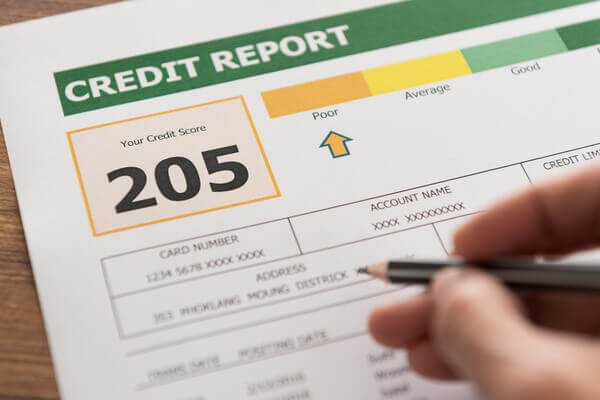
Finding out that a job offer may depend on your credit history can feel unfair and stressful. Perhaps you experienced unemployment, medical expenses, divorce, identity theft, or another financial hardship that caused missed payments or collection accounts.
Can an employer legally reject you because of something in your credit report?
In some circumstances, yes. An employer may use a consumer report, including certain credit information, when making a hiring, promotion, reassignment, retention, or termination decision. However, federal law gives job applicants and employees important rights when an employer obtains the report from a third-party background screening company.
The employer generally must obtain your written permission before requesting the report. If it is considering a negative employment decision because of information in the report, it must give you a copy and a summary of your rights before making the decision. If it later takes the negative action, it must provide additional information about the reporting company and your right to dispute errors.
State and local laws may provide stronger protections or restrict employment credit checks for certain jobs.
This guide explains how employment credit checks work, what notices you should receive, how to correct inaccurate information, and what to do if you believe the employer violated your rights.
Quick Answer
You may be denied a job because of information in an employment credit report where the employer’s use of that information is permitted by applicable law.
However, when an employer uses a report obtained from a background reporting company, it generally must:
-
Tell you in a standalone written disclosure that it may obtain a background report.
-
Get your written permission.
-
Give you a copy of the report and a Summary of Your Rights under the Fair Credit Reporting Act before taking adverse action.
-
Give you an adverse action notice if it ultimately rejects, fires, demotes, or refuses to promote you based partly or entirely on the report.
-
Tell you how to contact the background reporting company.
-
Explain that you have the right to dispute inaccurate or incomplete information.
An employer must also comply with applicable federal anti-discrimination laws and any additional state or local restrictions.
Can an Employer Reject You Because of Your Credit Report?
Generally, an employer may consider information from a credit or background report when making certain employment decisions, provided that the employer follows federal, state, and local law.
Possible employment actions include:
-
Refusing to hire an applicant
-
Withdrawing a conditional job offer
-
Denying a promotion
-
Reassigning an employee
-
Refusing to retain an employee
-
Terminating employment
The fact that an employer may legally consider a report does not mean every employer checks credit or that every negative credit item will result in rejection.
Employers may consider whether the information is relevant to the position. Credit history may be viewed as more relevant for roles involving company money, financial accounts, confidential data, fiduciary duties, expense authority, or access to valuable property.
The rules vary by location. Some states and cities limit when an employer may request or use credit history, and certain exceptions may apply for financial, managerial, law enforcement, security-sensitive, or legally regulated positions.
What Is an Employment Credit Report?
An employment credit report is a type of consumer report used for employment purposes. It may be obtained separately or included as part of a broader employment background report.
Depending on the report ordered, an employment screening report may include:
-
Credit account history
-
Payment patterns
-
Outstanding balances
-
Collection accounts
-
Bankruptcy records
-
Employment history
-
Education verification
-
Criminal or other public records
-
Driving records
-
Professional licenses
-
Identity verification information
-
Other information used to evaluate an applicant or employee
Not every employer requests all these categories. The information available also depends on the screening company, the employer’s order, applicable law, and the job involved.
An employment background report is not necessarily identical to the consumer-facing credit report you obtain yourself. That is why you should review both your nationwide credit reports and any specific employment report used by the employer.
Does an Employer Need Your Permission?
When an employer obtains an employment consumer report from a third-party background reporting company, it generally must first give you a clear written disclosure.
The disclosure should explain that information in a consumer report may be used for employment decisions. It generally should be presented as a standalone document rather than hidden inside a lengthy job application or unrelated agreement.
The employer must also obtain your written authorization.
You are not required to provide permission. However, an employer may decide not to continue your application if the background report is a lawful requirement for the position and you decline to authorize it.
Before signing, read the form carefully and confirm:
-
Which company will prepare the report
-
What type of report may be requested
-
Whether the authorization covers only the application or ongoing employment
-
Whether state-specific notices are included
-
How you can request a copy
Keep a copy of every authorization and disclosure you sign.
Does an Employment Credit Check Hurt Your Credit Score?
An employment-related credit inquiry is generally treated differently from an application for a loan or credit card.
The employer is reviewing information for employment purposes rather than determining whether to lend you money. You should still review the inquiries section of your reports so you know which businesses have accessed your information.
Employment-related access may appear in the section showing who reviewed your file. Employment inquiries are generally visible to you and may remain listed longer than some other types of report access.
What Must Happen Before an Employer Rejects You?
If an employer is considering an adverse employment decision based partly or entirely on a third-party consumer report, it generally must follow a pre-adverse action process.
Before making the final decision, the employer should give you:
-
A copy of the consumer report it relied on
-
A copy of “A Summary of Your Rights Under the Fair Credit Reporting Act”
This step is important because background reports can contain errors. Receiving the report before the final decision gives you an opportunity to identify a mixed file, outdated record, inaccurate balance, fraudulent account, duplicate record, or another mistake.
A pre-adverse action notice is not necessarily the final rejection. It normally means the employer is considering a negative decision.
Act quickly after receiving it.
What Is an Adverse Action Notice?
If the employer ultimately decides not to hire, retain, promote, or otherwise favorably consider you because of information in the report, it should provide an adverse action notice.
The notice may be provided orally, electronically, or in writing, although a written notice is easier to document.
It should generally tell you:
-
The name of the background reporting company
-
The company’s address
-
The company’s phone number
-
That the reporting company did not make the employment decision
-
That the reporting company cannot explain the employer’s specific reason
-
That you have the right to dispute inaccurate or incomplete information
-
That you have the right to request another free copy of the report within 60 days
Keep the notice. It identifies the company you need to contact and may be important if you file a dispute or complaint.
Pre-Adverse Action vs. Final Adverse Action
These are two separate stages.
Pre-adverse action
The employer is considering a negative decision.
You should receive:
-
A copy of the report
-
A Summary of Your Rights under the FCRA
This is your opportunity to review the report and raise errors before the decision becomes final.
Final adverse action
The employer has made the negative decision.
You should receive information identifying the reporting company and explaining your rights to request the report and dispute incorrect information.
If an employer rejects you immediately without providing the report and required notices, document what happened and consider contacting the appropriate consumer protection agency or an attorney.
What Should You Do Before Applying for a Job?
Reviewing your reports before a background check can help you resolve mistakes before an employer sees them.
1. Get your nationwide credit reports
Request reports from Equifax, Experian, and TransUnion through the federally authorized credit report website.
Review all three. An account or mistake may appear on one report but not the others.
2. Check specialty employment reports
Employment screening companies are specialty consumer reporting agencies. Not every company will have a file on you, but you can request a report from a company that has prepared one about you.
When signing an authorization, ask the employer which screening company it uses.
3. Review public records
Check whether court or bankruptcy records are accurate, complete, and associated with the correct person.
Look for:
-
Records belonging to someone with a similar name
-
Duplicate records
-
Dismissed cases reported without the outcome
-
Sealed or expunged records
-
Incorrect dates
-
Outdated information
-
Records from a jurisdiction where you never lived
4. Prepare an explanation
If the information is accurate but connected to a temporary hardship, prepare a short, factual explanation.
For example:
-
A medical emergency caused temporary missed payments.
-
A period of unemployment reduced household income.
-
A divorce created disputed joint accounts.
-
Identity theft affected several accounts.
-
The debt has since been paid or brought current.
-
You have followed a repayment plan without further missed payments.
Focus on the circumstances, corrective action, and why the issue does not affect your ability to perform the job.
Common Errors That Can Affect Employment Screening
Review reports for errors such as:
-
Accounts that do not belong to you
-
Incorrect late-payment history
-
Wrong balances
-
Duplicate collection accounts
-
Fraudulent accounts
-
Closed accounts shown as open
-
Paid accounts shown as unpaid
-
Bankruptcy records belonging to another person
-
Inaccurate employment history
-
Incorrect education records
-
Criminal records associated with a similar name
-
Dismissed cases reported as convictions
-
Sealed or expunged records
-
Incomplete court outcomes
-
Wrong addresses or aliases
-
Incorrect professional license information
A background report should not combine your identity with another consumer’s file simply because you have similar names or birth dates.
What to Do If the Report Contains an Error
Step 1: Identify the exact reporting company
Use the pre-adverse action or adverse action notice to find:
-
Company name
-
Mailing address
-
Phone number
-
Website
-
Report or file number
Do not assume the employer used only Equifax, Experian, or TransUnion. It may have used a separate employment screening company.
Step 2: Review the full report
Read every page, including:
-
Personal information
-
Credit account details
-
Public records
-
Employment verification
-
Criminal history
-
Report notes
-
Disposition information
-
Consumer statements
Mark each item you believe is inaccurate or incomplete.
Step 3: Gather supporting documents
Useful documents may include:
-
Bank statements
-
Payment confirmations
-
Paid-in-full letters
-
Identity theft reports
-
Court dispositions
-
Expungement or sealing orders
-
Employment records
-
Pay stubs
-
Tax forms
-
Diploma or transcript records
-
Professional license documents
-
Emails from creditors
-
A copy of the incorrect report
Send copies rather than original documents.
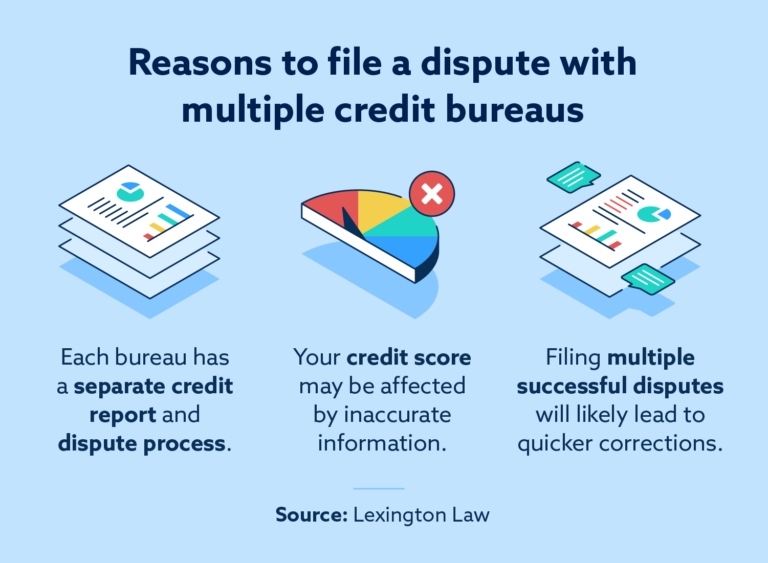
Step 4: Dispute with the reporting company
Explain:
-
Which item is wrong
-
Why it is wrong
-
What the correct information should be
-
Which documents support your position
-
Whether you want the item corrected or removed
Keep the dispute factual. Do not dispute accurate information merely because it is unfavorable.
Step 5: Dispute with the information provider
When the error came from a creditor, lender, collector, court data provider, former employer, school, or another source, contact that organization as well.
Correcting the source records can help prevent the error from being reported again.
Step 6: Tell the employer
Let the employer know immediately that you found an error and have submitted a dispute.
Provide concise supporting documentation when appropriate and ask whether the employer will delay the final decision until the investigation is complete.
The employer may not be required to hold the position open, but notifying it promptly gives you the best chance of preserving the opportunity.
Step 7: Request that the corrected report be sent
If the screening company corrects the report, ask it to send the updated version to the employer.
Also contact the employer and ask it to reconsider the decision based on the corrected information.
Sample Email to an Employer After Receiving a Pre-Adverse Action Notice
Subject: Request to Review Inaccurate Background Report Information
Dear [Hiring Manager or Human Resources Contact],
Thank you for providing the background report and notice.
After reviewing the report, I identified information that appears to be inaccurate or incomplete. Specifically:
[Briefly identify the item and explain the error.]
I submitted a dispute to [Background Reporting Company] on [date] and provided supporting documentation. I have attached [name the relevant document] showing the correct information.
I respectfully ask that the company delay its final decision, if possible, until the reporting company completes its review. I will provide the corrected report or investigation results as soon as they become available.
Please confirm whether you need any additional information from me.
Sincerely,
[Your full name]
[Phone number]
[Email address]
[Application or position reference]
Sample Employment Background Report Dispute Letter
Subject: Dispute of Inaccurate Information in Employment Consumer Report
Dear [Background Reporting Company],
I am writing to dispute inaccurate or incomplete information in an employment consumer report your company prepared about me.
My information is:
Full name: [Full legal name]
Current address: [Address]
Date of birth: [Date of birth]
Report number: [Report or file number]
Employer requesting report: [Employer name]
The disputed item is:
[Identify the account, record, employer, school, court case, or other entry.]
The information is inaccurate or incomplete because:
[Explain the error clearly.]
The correct information is:
[State the correct information.]
Attached are copies of documents supporting my dispute, including:
-
[Supporting document]
-
[Supporting document]
-
[Supporting document]
Please conduct a reasonable investigation and correct or remove information that is inaccurate, incomplete, outdated, or unverifiable.
Please send me the written investigation results and an updated copy of my report. If corrections are made, please send a corrected report to the employer that requested the report.
Sincerely,
[Your name]
[Signature, if mailed]
[Date]
What If the Negative Information Is Accurate?
Accurate information usually cannot be removed simply because it affects an employment decision.
However, you may still be able to provide context.
A useful explanation should be:
-
Honest
-
Brief
-
Relevant
-
Documented when possible
-
Focused on improvement
-
Connected to job performance
Example:
“During a six-month period of unemployment in 2024, I fell behind on two accounts. Both accounts are now current, and I have made all required payments for the past 18 months. The hardship was temporary and has no connection to my ability to manage the responsibilities of this position.”
Avoid blaming others, sharing unnecessary personal information, or making promises you cannot support.
Can an Employer Use Bankruptcy Against You?
An employment report may contain bankruptcy information or other public records.
Federal and state laws can affect how bankruptcy information may be used, and different rules may apply to government and private employers.
Because bankruptcy and employment law can be complex, consider obtaining legal advice if you believe a bankruptcy was improperly used against you.
Do not assume that a bankruptcy automatically disqualifies you from every job.
Do State and Local Laws Limit Employment Credit Checks?
Yes. Some states and cities restrict an employer’s ability to request or use credit history for employment.
Restrictions may depend on:
-
The employer’s location
-
Where you work
-
The type of job
-
Whether financial responsibility is a core duty
-
Whether the employer is a bank or financial institution
-
Whether a credit check is required by law
-
Whether the position involves national security
-
Whether you are applying for a law enforcement position
Because these laws change, check the current rules in your state and city before assuming the employer’s action was legal.
Useful contacts may include:
-
State labor department
-
State attorney general
-
State consumer protection office
-
Local civil rights agency
-
Employment attorney
Can a Credit Check Be Discriminatory?
An employer cannot selectively check or use background information based on a protected characteristic.
Federal employment discrimination laws generally prohibit different treatment based on characteristics such as:
-
Race
-
Color
-
Religion
-
Sex
-
National origin
-
Disability
-
Genetic information
-
Age 40 or older
A seemingly neutral background-check policy may also create legal concerns if it disproportionately excludes a protected group and is not sufficiently job-related and consistent with business necessity.
If you believe an employer treated you differently or used a screening policy in a discriminatory way, document the facts and contact the Equal Employment Opportunity Commission or an employment attorney.
What If the Employer Never Asked for Permission?
If a third-party background reporting company prepared the report and the employer did not obtain your written permission, the employer may not have followed the FCRA process.
Save:
-
The job application
-
Consent forms
-
Emails
-
Text messages
-
Offer letters
-
Rejection notices
-
Copies of the background report
-
Names of people involved
-
Dates of every communication
You may report the issue to the FTC or CFPB and consider speaking with a consumer or employment attorney.
What If You Were Rejected Without Receiving the Report?
If the employer relied on a third-party consumer report but did not provide a copy before making the decision, ask the employer in writing for:
-
The report it used
-
The Summary of Your Rights
-
The name of the screening company
-
The date the report was requested
-
The adverse action notice
Avoid accusing the employer in the first message. Ask for the documents and create a written record.
If the employer still refuses, preserve the correspondence and consider filing a complaint.
How Long Do You Have to Request a Free Report?
After an adverse employment decision based on a consumer report, you generally have 60 days to request an additional free copy from the reporting company identified in the adverse action notice.
Request it promptly. Waiting can make it harder to preserve the job opportunity or gather relevant documents.
You may also have separate rights to free reports from nationwide and specialty consumer reporting companies.
What Can You Do If the Error Is Corrected After the Job Is Filled?
Even if the original position is no longer available, correcting the report still matters.
Ask the employer to:
-
Reconsider you for the same position if it remains open
-
Consider you for a comparable position
-
Update your applicant file
-
Confirm that the inaccurate report will not affect future applications
Keep the corrected report for future job searches.
You may also ask the screening company which employers received the inaccurate report and whether corrected reports can be sent to them.
Protect Yourself From Fake Job Background Checks
Scammers may pretend to be employers and ask for sensitive information before conducting any legitimate interview.
Be cautious when someone asks early in the process for:
-
Social Security number
-
Bank account information
-
Credit card information
-
Cryptocurrency payments
-
Gift cards
-
Copies of both sides of your ID
-
Login credentials
-
A fee for a background check
-
Payment for equipment
Verify the employer independently before sharing sensitive information. A legitimate employer may need identifying information at the appropriate stage, but it should explain why it is needed and how it will be protected.
Official Consumer Resources
CFPB — Can a credit report affect a job decision?
CFPB — What employers may see in an employment report
FTC — Employer background checks and your rights
https://consumer.ftc.gov/articles/employer-background-checks-and-your-rights
Official free credit reports
https://www.annualcreditreport.com/
CFPB — Dispute a credit report error
https://www.consumerfinance.gov/ask-cfpb/how-do-i-dispute-an-error-on-my-credit-report-en-314/
CFPB — Consumer reporting company list
https://www.consumerfinance.gov/data-research/research-reports/2025-consumer-reporting-company-list/
CFPB complaint portal
https://www.consumerfinance.gov/complaint/
FTC fraud reporting
EEOC — Background checks for applicants and employees
https://www.eeoc.gov/laws/guidance/background-checks-what-job-applicants-and-employees-should-know
EEOC — File an employment discrimination charge
https://www.eeoc.gov/how-file-charge-employment-discrimination
Final Checklist
Before or after an employment credit check:
-
Review your three nationwide credit reports.
-
Ask which employment screening company will be used.
-
Keep a copy of the written authorization.
-
Review the disclosure before signing.
-
Check state and local credit-check restrictions.
-
Read every page of the employment report.
-
Dispute specific errors with supporting documents.
-
Contact the original information provider.
-
Tell the employer about a dispute immediately.
-
Ask the screening company to send the corrected report.
-
Keep pre-adverse and final adverse action notices.
-
Request your additional free report within 60 days.
-
Document possible discrimination or procedural violations.
-
Use official government complaint portals when necessary.
Bottom Line
A credit report can affect a job application, promotion, reassignment, or retention decision in circumstances where employment credit checks are legally permitted.
But an employer using a third-party consumer report cannot simply check your file in secret and reject you without following required procedures. It generally must obtain your written permission, provide the report and a summary of your rights before taking adverse action, and give you information about the screening company after the final decision.
If the report contains an error, act immediately. Dispute the information, provide supporting documents, notify the employer, and request reconsideration after the report is corrected.
If the information is accurate, a concise explanation of the hardship and the steps you took to resolve it may still help.
Finally, check state and local law. Your location may provide protections beyond federal requirements.
FAQ
Can an employer reject me because I have bad credit?
Possibly. Federal law does not create a universal ban on employment credit checks, but the employer must follow the FCRA when using a third-party consumer report, and state or local law may restrict the practice.
Does an employer need permission to check my credit?
An employer generally needs your written permission before obtaining an employment consumer report from a third-party background reporting company.
Can I refuse an employment credit check?
You can refuse to authorize it, but the employer may decide not to continue your application if the check is legally permitted and required for the position.
Must an employer show me the report before rejecting me?
If the employer is considering adverse action based on a third-party consumer report, it generally must provide a copy of the report and a Summary of Your Rights before making the final decision.
What is a pre-adverse action notice?
It is a notice that the employer is considering a negative decision because of information in a consumer report. It should be accompanied by the report and a summary of your FCRA rights.
What is a final adverse action notice?
It tells you that the employer took a negative action and identifies the reporting company. It also explains your right to dispute errors and request another free report.
How long do I have to request the free report?
You generally have 60 days after the adverse action notice to request an additional free report from the reporting company.
What if the background report contains someone else’s information?
Dispute the mixed-file information immediately with the screening company. Include documents confirming your identity and ask the employer to delay or reconsider its decision.
Can an employer check the credit of current employees?
Third-party consumer reports may also be used for promotion, reassignment, retention, or other employment decisions, subject to the FCRA and other applicable laws.
Can an employer use credit checks in a discriminatory way?
No. Employers cannot treat applicants differently based on protected characteristics. A neutral policy may also raise discrimination concerns if it causes an unlawful disparate impact and is not job-related and consistent with business necessity.
Where can I complain if my rights were violated?
Depending on the issue, you may contact the CFPB, FTC, EEOC, a state agency, or a qualified consumer or employment attorney.
Share
What's Your Reaction?
 Like
0
Like
0
 Dislike
0
Dislike
0
 Love
0
Love
0
 Funny
0
Funny
0
 Angry
0
Angry
0
 Sad
0
Sad
0
 Wow
0
Wow
0