Credit Repair Scam vs. Reputable Credit Counselor: How to Tell
Learn how to spot a credit repair scam, verify a reputable credit counselor, understand your legal rights, compare fees, and find trustworthy financial help.

When poor credit is preventing you from qualifying for a loan, renting a home, or getting an affordable interest rate, a company promising quick credit repair may sound appealing.
Unfortunately, financial stress can make consumers attractive targets for dishonest businesses. Credit repair scammers often promise to erase negative credit information, deliver a guaranteed score increase, or create a “new credit identity.” They may charge money before doing meaningful work and disappear when the promised results never arrive.
A reputable credit counselor takes a very different approach. Instead of promising shortcuts, a qualified counselor reviews your full financial situation, explains realistic options, helps you create a budget, and may recommend a debt management plan when appropriate.
This guide explains how to identify a credit repair scam, evaluate a credit counseling organization, understand your federal rights, and find trustworthy help.
Quick Answer
A company may be operating a credit repair scam if it:
-
Demands payment before completing the promised services
-
Guarantees a specific credit score increase
-
Promises to remove accurate and current negative information
-
Tells you to dispute information you know is correct
-
Advises you to create a new credit identity
-
Refuses to explain what you can do yourself for free
-
Pressures you to sign immediately
-
Will not provide a detailed written contract
A reputable credit counselor generally:
-
Reviews your complete financial situation
-
Explains services and fees clearly
-
Provides educational materials
-
Discusses more than one possible solution
-
Makes no guaranteed credit score promises
-
Encourages accurate and truthful credit disputes
-
Gives you time to review your options
-
Protects your personal and financial information
Credit Repair and Credit Counseling Are Not the Same
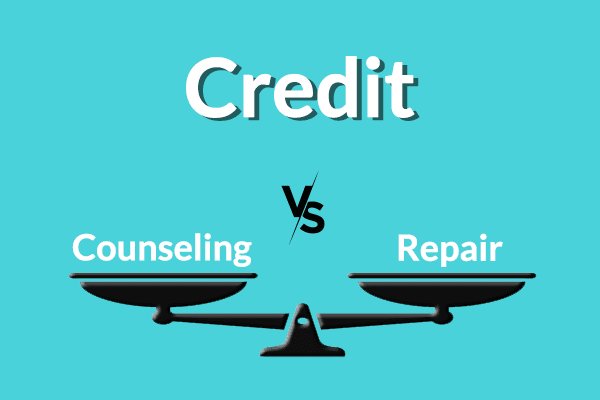
Although the terms are sometimes used interchangeably, credit repair and credit counseling address different needs.
Credit repair
Credit repair generally focuses on reviewing credit reports and disputing information that may be inaccurate, incomplete, duplicated, outdated, or connected to identity theft.
Examples may include:
-
An account that does not belong to you
-
A payment incorrectly reported as late
-
An inaccurate balance
-
A duplicated collection account
-
A fraudulent account
-
A closed account incorrectly listed as open
-
Information mixed with another consumer’s file
You can dispute legitimate credit report errors yourself without paying a company.
Credit counseling
Credit counseling focuses on your broader financial situation. A counselor may review your income, expenses, debts, interest rates, missed payments, financial goals, and available repayment options.
A counselor may help with:
-
Creating a workable budget
-
Prioritizing debts
-
Understanding credit reports
-
Building better financial habits
-
Communicating with creditors
-
Evaluating a debt management plan
-
Preparing for homeownership
-
Managing student loan or credit card debt
Credit counseling does not erase debt or guarantee that your credit score will increase.
Ten Major Signs of a Credit Repair Scam
1. The company demands payment before completing its work
An upfront payment request is one of the clearest warning signs.
The company may describe the charge as:
-
A setup fee
-
A processing fee
-
An enrollment fee
-
An audit fee
-
A first-work fee
-
A document preparation fee
-
A monthly subscription payment
Changing the name of the fee does not automatically make it legitimate. Carefully review what services have actually been completed before paying.
Do not rely only on verbal explanations. Ask for the exact fee schedule and payment terms in writing.
2. It guarantees a specific score increase
No company controls the information reported by your creditors, the investigation performed by a credit bureau, or the scoring model used by a lender.
Be cautious of promises such as:
-
“Guaranteed 100-point increase”
-
“750 credit score in 30 days”
-
“Instant credit repair”
-
“Guaranteed mortgage approval”
-
“Guaranteed deletion of all collections”
-
“Results or your money back”
A trustworthy professional can explain factors that may influence your score, but cannot promise an exact result.
3. It promises to remove accurate negative information
A company cannot legally make accurate and current information disappear simply because it is damaging.
For example, a correctly reported late payment or legitimate collection may remain on your report for the applicable reporting period. A company may dispute an actual reporting error, but it cannot lawfully transform accurate information into false information.
A legitimate counselor will explain this limitation instead of selling an impossible outcome.
4. It tells you to dispute every negative item
Disputing a genuine error is a legal consumer right. Disputing information you know is accurate is not a responsible credit strategy.
Some companies send mass-produced dispute letters challenging every negative account without reviewing the facts. An item may temporarily disappear while it is investigated and later return when it is verified.
A trustworthy professional should ask why an item is wrong and what documentation supports the dispute.
5. It recommends filing a false identity theft report
Identity theft protections are intended for people whose information was actually used without permission.
A company that tells you to falsely claim identity theft is asking you to provide dishonest information to credit bureaus, creditors, or government agencies. This can create consequences that are much more serious than a low credit score.
Only report identity theft when fraud actually occurred.
6. It offers a “new credit identity”
Scammers may promote a Credit Privacy Number, CPN, Employer Identification Number, or “secondary credit profile” as a replacement for your Social Security number.
They may claim the number is:
-
Government-issued
-
Completely legal
-
A private alternative to an SSN
-
A way to start your credit over
-
A way to hide bankruptcy
Do not use an unfamiliar number on a credit application. It may be stolen, fabricated, or obtained under false pretenses. A legitimate credit counselor will never tell you to hide your identity or misrepresent your credit history.
7. It tells you not to contact the credit bureaus
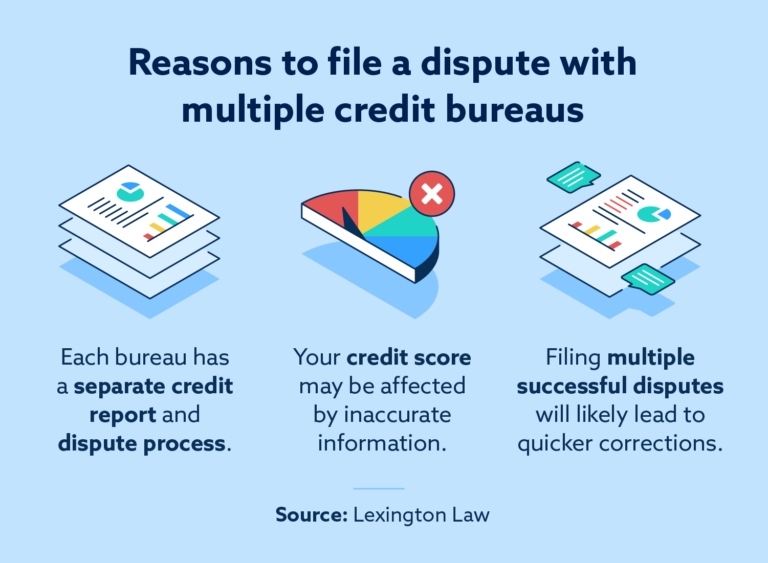
You have the right to contact credit reporting companies directly, obtain your reports, and dispute errors.
A company that tells you not to communicate with the credit bureaus may be trying to keep you dependent on its paid service.
A reputable organization should explain your rights and acknowledge that many credit repair steps can be completed without professional assistance.
8. It will not provide a written contract
Before agreeing to paid credit repair services, you should receive a detailed written agreement.
The contract should clearly identify:
-
The services being purchased
-
The total cost
-
The estimated time required
-
The company’s name and address
-
Any guarantees or refund terms
-
Your cancellation rights
-
What the company cannot legally do
Do not rely on social media messages, phone promises, screenshots, or verbal assurances.
9. It creates artificial urgency
Scammers often try to prevent consumers from reviewing the agreement or comparing alternatives.
Watch for phrases such as:
-
“You must enroll today.”
-
“The price increases in one hour.”
-
“This method may be closed soon.”
-
“Only a few client spaces remain.”
-
“Do not discuss this process with your bank.”
-
“You will lose your opportunity if you wait.”
Legitimate financial decisions should not require panic.
10. It requests unnecessary access to your accounts
A company may need limited information to understand your situation, but it should not casually demand unrestricted access to your email, bank account, credit card, or credit bureau login.
Before providing information, ask:
-
Why is this information required?
-
How will it be stored?
-
Who can access it?
-
Will it be shared?
-
How long will it be retained?
-
Can the service be provided without it?
Never give a company a one-time security code or allow it to impersonate you.
Your Rights When Hiring a Credit Repair Company
Federal consumer protection rules place important requirements on many businesses that sell credit repair services.
A credit repair company generally must provide a written contract that explains the services, costs, and your rights. Consumers also generally have a three-business-day period to cancel a credit repair contract without being charged a cancellation penalty.
Companies may not legally misrepresent what they can accomplish. They also cannot lawfully promise that accurate and current negative information will be permanently removed.
State laws may provide additional protections or registration requirements. Before signing, check the company with your state attorney general and consumer protection office.
How a Reputable Credit Counselor Usually Works
A reputable credit counselor begins by understanding your situation rather than immediately selling a service.
A counseling session may cover:
-
Monthly income
-
Housing expenses
-
Credit card debt
-
Personal loans
-
Student loans
-
Collection accounts
-
Minimum payments
-
Interest rates
-
Missed payments
-
Savings and emergency expenses
-
Short-term and long-term goals
The counselor may then explain possible options and the advantages and risks of each one.
The recommended solution should be based on your circumstances. It should not be the same sales pitch offered to every consumer.
What Is a Debt Management Plan?
A debt management plan, or DMP, is one option a credit counseling organization may discuss.
Under a typical plan, you make one scheduled payment to the counseling organization, which then distributes payments to participating creditors. Creditors may agree to concessions such as reduced interest rates or waived fees, although results vary.
A debt management plan is not the same as debt settlement.
A DMP generally aims to repay participating unsecured debts over time. Debt settlement generally involves attempting to settle debts for less than the full balance and may involve additional credit, collection, tax, and legal risks.
Before enrolling in a DMP, ask:
-
Which debts can be included?
-
Which creditors have agreed to participate?
-
What fees will I pay?
-
How long is the plan expected to last?
-
What happens if I miss a payment?
-
Must I close my credit cards?
-
When will creditors receive my payments?
-
How can I confirm payments were made?
-
Can I cancel the plan?
Do not enroll until you understand the complete agreement.
How to Verify a Credit Counseling Organization
Check whether it is nonprofit—but do not stop there
Nonprofit status can be a positive sign, but it does not automatically mean an organization is affordable, effective, or trustworthy.
Ask for the organization’s full legal name and verify its history, services, and complaint record.
Look for trained or certified counselors
Ask:
-
How are counselors trained?
-
Which organization provides certification?
-
How often is certification renewed?
-
Are counselors paid commissions?
-
Are they rewarded for enrolling consumers in paid plans?
A counselor’s compensation structure can affect the recommendations you receive.
Request free information before sharing personal details
A trustworthy counseling organization should be willing to explain its services, fees, counseling process, and privacy practices before demanding your Social Security number or detailed account information.
Consider it a warning sign if the organization refuses to provide basic information unless you enroll first.
Check independent official sources
Verify the organization through:
-
Your state attorney general
-
Your state consumer protection office
-
The National Foundation for Credit Counseling
-
The Financial Counseling Association of America
-
Applicable state licensing or registration databases
The U.S. Department of Justice also maintains a list of agencies approved to provide bankruptcy-related credit counseling. That approval is specifically connected to bankruptcy requirements and should not be treated as a guarantee about every other service an agency may offer.
Review the privacy policy
A counseling organization may handle highly sensitive information, including account balances, creditor names, income, addresses, and payment history.
Its privacy policy should explain:
-
What information is collected
-
Why it is collected
-
How it is secured
-
Whether it is sold or shared
-
Which vendors receive it
-
How long it is retained
-
How you can request deletion or correction
Do not send a complete credit report or identification documents through an unsecured messaging app.
Questions to Ask a Credit Counselor
Ask these questions before agreeing to any service:
-
Are you a nonprofit organization?
-
What qualifications do your counselors have?
-
Is the initial counseling session free?
-
What are all setup, monthly, and administrative fees?
-
Can fees be reduced or waived during financial hardship?
-
Will I receive a written agreement before enrolling?
-
Do counselors receive commissions or enrollment bonuses?
-
Will you review my full financial situation?
-
What alternatives will you explain?
-
Do you offer a debt management plan?
-
Which creditors participate in your plans?
-
How and when are creditor payments made?
-
How do you protect personal information?
-
How can I cancel?
-
What happens if I cannot continue making payments?
Clear, patient answers are a good sign. Pressure, vague explanations, and guaranteed outcomes are not.
Credit Repair Company vs. Credit Counselor
A credit repair company usually focuses on credit report disputes.
A credit counselor usually focuses on your overall budget, debt obligations, and financial plan.
A credit repair company may charge for sending dispute correspondence.
A reputable counselor may provide an initial financial review, education, and budgeting assistance at little or no cost, although some ongoing programs may charge disclosed fees.
A credit repair company cannot remove accurate information.
A credit counselor cannot erase legitimate debt.
Neither service can guarantee a specific credit score.
What You Can Do Yourself for Free
Before paying anyone, consider taking these steps yourself.
Get your credit reports
Request your reports through the federally authorized credit report website and review all three because the information may differ.
Identify genuine errors
Look for:
-
Unknown accounts
-
Incorrect balances
-
Wrong payment history
-
Duplicate collections
-
Accounts caused by identity theft
-
Incorrect personal information
-
Closed accounts reported as open
Submit accurate disputes
Dispute the information with both the credit bureau and the business that provided it. Include a clear explanation and copies of supporting records.
Improve current account behavior
Long-term credit improvement may involve:
-
Paying bills on time
-
Reducing revolving balances
-
Bringing past-due accounts current
-
Avoiding unnecessary applications
-
Monitoring reports for errors
-
Maintaining a realistic budget
There is no lawful overnight method for replacing a poor but accurate credit history with a perfect one.
What to Do If You Already Paid a Scammer
Act quickly if you believe you enrolled in a fraudulent credit repair program.
Stop future payments
Contact your bank or card issuer and ask how to stop unauthorized or recurring charges. Explain the situation accurately.
Cancel in writing
Send the company a written cancellation notice and keep proof of delivery. If you are within an applicable cancellation period, state that you are exercising your cancellation right.
Protect your accounts
Change passwords for any accounts the company accessed. Turn on multifactor authentication and review login activity.
Check your credit reports
Look for unauthorized inquiries, unfamiliar accounts, changed contact information, or false disputes.
Preserve evidence
Save:
-
Contracts
-
Advertisements
-
Emails
-
Text messages
-
Receipts
-
Bank statements
-
Recorded promises
-
Screenshots
-
Names and phone numbers
Report the conduct
You may report suspected fraud to the FTC, CFPB, your state attorney general, and your state consumer protection office.
If the company used your identity or opened accounts without authorization, also follow the official identity theft recovery process.
Official Consumer Resources
CFPB credit repair scam guidance:
https://www.consumerfinance.gov/ask-cfpb/how-can-i-tell-a-credit-repair-scam-from-a-reputable-credit-counselor-en-1343/
CFPB credit counseling guide:
https://www.consumerfinance.gov/ask-cfpb/what-is-credit-counseling-en-1451/
CFPB complaint portal:
https://www.consumerfinance.gov/complaint/
FTC credit repair guidance:
https://consumer.ftc.gov/articles/fixing-your-credit-faqs
FTC fraud reporting:
https://reportfraud.ftc.gov/
Official free credit reports:
https://www.annualcreditreport.com/
U.S. Department of Justice approved bankruptcy counselors:
https://www.justice.gov/ust/credit-counseling-debtor-education-information
National Foundation for Credit Counseling:
https://www.nfcc.org/
State attorney general directory:
https://www.usa.gov/state-attorney-general
State consumer protection offices:
https://www.usa.gov/state-consumer
Identity theft recovery:
https://www.identitytheft.gov/
Final Checklist
Before trusting a credit service, verify that:
-
The company does not guarantee a score increase
-
It does not promise to delete accurate information
-
It does not demand unlawful advance payment
-
It provides a detailed written contract
-
It explains cancellation rights
-
It encourages only truthful disputes
-
It never promotes a new credit identity
-
It explains what you can do yourself for free
-
It discloses every fee
-
It protects sensitive information
-
It gives you time to decide
-
Its reputation can be verified independently
If several of these conditions are missing, do not enroll.
Bottom Line
A credit repair scam sells speed, secrecy, and guaranteed outcomes. A reputable credit counselor offers education, transparency, budgeting assistance, and realistic options.
Walk away from any company that promises to erase accurate negative information, asks you to provide false information, creates a new credit identity, prevents you from contacting credit bureaus, or demands payment before completing promised credit repair work.
You do not need to pay anyone simply to exercise your right to dispute inaccurate credit information. When broader debt or budgeting problems are involved, a qualified nonprofit credit counselor may help you understand your choices and create a manageable plan.
Take time to compare providers, verify credentials, read every agreement, and use official government resources before sharing money or personal information.
FAQ
How can I tell whether a credit repair company is a scam?
Major warning signs include upfront payment demands, guaranteed score increases, promises to remove accurate information, false identity theft instructions, mass disputes, and offers to create a new credit identity.
Can credit repair companies legally charge upfront fees?
Federal law generally prohibits covered credit repair organizations from collecting payment before completing the promised services. Telemarketing transactions may also be subject to additional timing requirements.
Can a credit repair company remove accurate negative information?
No legitimate company can lawfully guarantee permanent removal of information that is accurate, current, and properly reportable.
Can I cancel a credit repair contract?
Consumers generally have a federal right to cancel a covered credit repair contract within three business days without penalty. Review your contract and applicable state law for additional rights.
Is every nonprofit credit counselor reputable?
No. Nonprofit status alone does not prove quality. Check qualifications, fees, complaint history, privacy practices, and whether counselors receive commissions.
What can a reputable credit counselor do?
A counselor may review your financial situation, help create a budget, explain repayment options, provide education, and discuss a debt management plan when appropriate.
Is credit counseling the same as credit repair?
No. Credit repair focuses mainly on credit report information and disputes. Credit counseling generally addresses budgeting, debt management, repayment planning, and financial education.
Can I dispute credit report errors myself?
Yes. Consumers can obtain their credit reports, identify genuine errors, and submit disputes directly without hiring a credit repair company.
Where can I report a credit repair scam?
You may report suspected scams to the FTC, CFPB, your state attorney general, and your state consumer protection office.
Share
What's Your Reaction?
 Like
0
Like
0
 Dislike
0
Dislike
0
 Love
0
Love
0
 Funny
0
Funny
0
 Angry
0
Angry
0
 Sad
0
Sad
0
 Wow
0
Wow
0