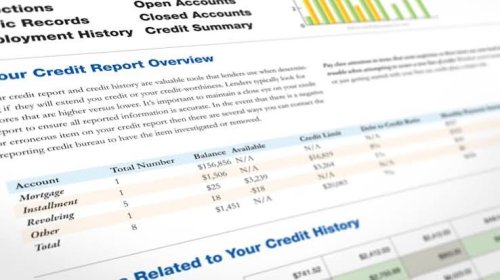
Free Credit Scores for Active-Duty Military Members and Spouses
Active-duty servicemembers and military spouses may qualify for truly free credit scores and financial guidance. Learn where to get them without subscriptions.


Active-duty military members and their spouses may need to check their credit before moving to a new duty station, renting housing, financing a vehicle, applying for a mortgage, or preparing for deployment.
Unfortunately, many websites that advertise a “free credit score” require a credit card, enroll the user in a trial, or begin charging a monthly fee if the service is not canceled on time.
Military families have a safer option.
According to the Consumer Financial Protection Bureau, servicemembers and military spouses can obtain free credit scores and personalized financial guidance through a nearby personal financial counselor or through Military OneSource.
These services can help you access a score, understand what it means, review the information affecting it, identify possible credit report errors, and create a practical plan for improving your credit.
This guide explains where to get a truly free military credit score, what documents you may need, how military spouses can access the service, and how a free score differs from a free credit report or free credit monitoring.
Important: This article provides general educational information and is not financial, legal, or credit counseling advice. Eligibility and available services may depend on military status, location, program rules, and individual circumstances.
Quick Answer
Active-duty servicemembers and military spouses can generally request free credit scores and related financial guidance through:
-
A Personal Financial Manager or Personal Financial Counselor at a military installation
-
The Department of Defense FINRED Personal Financial Counselor program
-
Military OneSource financial counseling
Military OneSource can connect eligible military families with confidential financial counseling by phone, secure online chat, video, or in-person appointment, depending on availability.
A free credit report from AnnualCreditReport.com is also valuable, but it generally does not automatically include a credit score.
Eligible active-duty servicemembers and National Guard members can separately enroll in free electronic credit monitoring through Equifax, Experian, and TransUnion. Credit monitoring is not the same as receiving a credit score, and military spouses are not automatically included in the federal active-duty monitoring entitlement simply because they are married to an eligible servicemember.
Where Can Military Members Get a Truly Free Credit Score?
Option 1: Contact a Personal Financial Counselor
Military installations provide financial readiness resources through personal financial managers, educators, or counselors.
A counselor may help you:
-
Obtain and review a credit score
-
Review your credit reports
-
Understand the factors affecting your score
-
Identify possible reporting errors
-
Build a spending plan
-
Prepare for a PCS
-
Plan for deployment
-
Manage debt
-
Communicate with creditors
-
Understand military consumer protections
-
Prepare for renting or buying a home
The service should not require you to purchase a credit repair subscription or pay for a commercial credit monitoring package.
You can use the official FINRED counselor locator to find assistance near you:
https://finred.usalearning.gov/pfcMap
Option 2: Contact Military OneSource
Military OneSource provides financial counseling services for eligible servicemembers and military spouses.
Financial counseling may be available:
-
By telephone
-
Through secure online chat
-
By video appointment
-
In person, depending on location and availability
Military OneSource financial counselors can help with credit, budgeting, debt, savings, creditor communication, financial goals, and military-specific financial challenges.
Official Military OneSource financial counseling page:
https://www.militaryonesource.mil/benefits/financial-counseling/
Military OneSource telephone number:
800-342-9647
Military OneSource also provides international calling instructions for people stationed outside the United States.
Are Military Spouses Eligible?
Yes. CFPB guidance specifically states that servicemembers and military spouses can obtain free credit scores and related guidance through a personal financial counselor or Military OneSource.
Military OneSource lists financial counseling as a benefit available to servicemembers and spouses.
The spouse should be prepared to confirm eligibility when scheduling the appointment. The program may request information needed to verify the military connection.
The spouse’s credit score is separate from the servicemember’s score. Marriage does not combine two credit files into one report or one score.
Each spouse generally has an individual credit history based on accounts reported in that person’s name. Joint accounts may appear on both reports, but one spouse’s separate credit score does not automatically become the other spouse’s score.
What Does “Truly Free” Mean?
A truly free credit score should not require you to:
-
Enter a credit card for a trial
-
Agree to automatic monthly billing
-
Purchase identity theft insurance
-
Buy a credit repair package
-
Enroll in paid monitoring
-
Pay a cancellation fee
-
Buy another financial product
Before using any commercial score service, read the enrollment page carefully.
Look for language such as:
-
“Free for seven days”
-
“Trial membership”
-
“Monthly membership”
-
“Billing begins after trial”
-
“Cancel before renewal”
-
“Credit card required”
-
“By continuing, you agree to recurring charges”
A service can advertise a free initial score while still enrolling you in a paid subscription.
Using a military financial counselor or Military OneSource can help you avoid these commercial trial arrangements.
Credit Score vs. Credit Report: What Is the Difference?
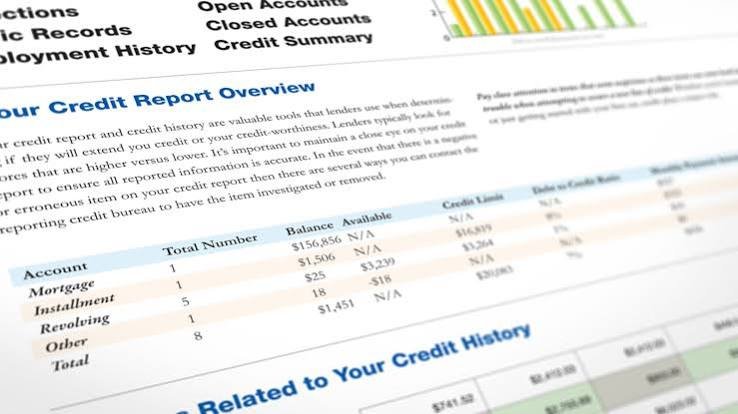
A credit report is a detailed record of information reported about your credit activity.
It may include:
-
Credit cards
-
Loans
-
Payment history
-
Balances
-
Credit limits
-
Collection accounts
-
Hard inquiries
-
Personal identifying information
-
Open and closed account status
A credit score is a number calculated from information in a credit report.
Your score may be influenced by:
-
Payment history
-
Credit card utilization
-
Age of credit accounts
-
Recent applications
-
Account mix
-
Delinquencies or collections
-
Information appearing in the bureau file used to calculate the score
The report contains the underlying data. The score summarizes credit risk using a specific scoring formula.
Checking only the score may tell you that something changed, but the report is usually necessary to understand why.
Does AnnualCreditReport.com Include a Free Credit Score?
Generally, no.
AnnualCreditReport.com is the federally authorized website for requesting free credit reports from Equifax, Experian, and TransUnion. It provides reports, not a guaranteed free credit score.
The official website currently allows consumers to request free online reports from each nationwide credit reporting company weekly.
Official website:
https://www.annualcreditreport.com/
You do not need to enter a credit card or enroll in a paid subscription to request the reports.
Military families should use the reports alongside the score provided through a financial counselor. The counselor may help explain how information in the reports could be influencing the score.
Why Can Different Credit Scores Show Different Numbers?
You do not have only one universal credit score.
Scores may differ because:
-
Different scoring models are used
-
Different credit bureau reports are used
-
The scores were generated on different dates
-
One bureau received information another bureau did not
-
A lender uses an industry-specific model
-
One score is designed for education
-
Another score is designed for mortgage, auto, or credit card lending
For example, a score provided during counseling may not exactly match the score used by a mortgage lender.
A difference does not necessarily mean either score is incorrect.
Ask the counselor:
-
Which scoring model generated this score?
-
Which credit bureau’s information was used?
-
On what date was the score calculated?
-
Is this an educational or lender-used score?
-
What score range does the model use?
-
Which factors are affecting the score most?
Knowing the model and source makes the number more useful.
What Should You Bring to a Financial Counseling Appointment?
Ask the counselor what documents are required before sending sensitive information.
Helpful records may include:
-
Military identification or eligibility information
-
Government-issued identification
-
Recent credit reports
-
Credit card statements
-
Loan statements
-
Collection notices
-
Monthly income information
-
Monthly household expenses
-
Housing costs
-
Vehicle loan information
-
PCS or deployment orders when relevant
-
A list of financial goals
-
Copies of suspected credit report errors
Do not send Social Security numbers, full account numbers, passwords, or identity documents through an unsecured email or messaging service.
Use the secure submission method specified by the counselor or Military OneSource.
Questions to Ask the Counselor
Use the appointment to get more than a number.
Ask:
-
Which credit score am I receiving?
-
Which bureau supplied the underlying report?
-
Is this a FICO Score, VantageScore, or another model?
-
What are the main factors lowering my score?
-
Do my reports contain possible errors?
-
Which balances should I prioritize?
-
How is credit utilization affecting me?
-
How could a PCS or deployment affect my bills?
-
What should my spouse and I review before applying jointly?
-
Are there military protections that may apply to my accounts?
-
Should I use an active-duty fraud alert, credit freeze, or monitoring?
-
What should I do before applying for a mortgage or auto loan?
Write down the answers and ask for educational materials you can review later.
Free Credit Monitoring for Active-Duty Military Members
Free credit monitoring is different from a free score.
Federal rules require nationwide credit reporting companies to offer free electronic credit monitoring to eligible active-duty military consumers.
Eligible participants may include certain:
-
Active-duty servicemembers
-
Reservists serving on qualifying active-duty orders
-
National Guard members in qualifying active service
You generally must enroll separately with Equifax, Experian, and TransUnion. Enrolling with one bureau does not automatically enroll you with the other two.
Monitoring may notify you about significant changes, such as:
-
A new account
-
A new inquiry
-
A substantial credit-limit change
-
A new negative entry
-
An address change
-
Other material additions or modifications
The exact product and alerts may vary by bureau.
Free monitoring is intended primarily to help detect fraud and important credit file changes. It does not necessarily include a free score.
For example, Experian’s active military monitoring page states that its military monitoring product provides a report and monitoring but does not include a credit score.
Official Experian military page:
https://www.experian.com/help/military/
Official TransUnion Active Duty Military Credit Center:
https://www.transunion.com/active-duty-military-credit-center
FTC military monitoring and fraud-alert information:
https://consumer.ftc.gov/articles/credit-freezes-and-fraud-alerts
Does the Military Spouse Automatically Receive Free Bureau Monitoring?
Not necessarily.
The CFPB’s free-score guidance expressly includes military spouses when accessing scores and advice through a personal financial counselor or Military OneSource.
The separate federal free electronic monitoring program generally applies to eligible active-duty military consumers and qualifying National Guard members.
A spouse should not assume that the servicemember’s monitoring enrollment automatically covers the spouse’s separate credit file.
The spouse can still:
-
Use Military OneSource financial counseling
-
Meet with a personal financial counselor
-
Obtain free weekly credit reports
-
Check whether a bank or credit card issuer provides a free score
-
Place a free credit freeze
-
Add a fraud alert when appropriate
-
Use other legitimate free monitoring services available to the public
Each spouse should protect and review their own credit file.
What Is an Active-Duty Fraud Alert?
An active-duty fraud alert is a free protection for eligible military consumers who may be deployed or away from their usual duty station.
It tells businesses reviewing the credit report to take reasonable steps to verify the consumer’s identity before approving certain new credit.
To place an active-duty alert, contact one nationwide credit reporting company. That company is generally responsible for notifying the other two.
An active-duty alert does not:
-
Provide a credit score
-
Freeze the credit report
-
Prevent all access to the report
-
Stop existing creditors from updating accounts
-
Excuse missed payments
-
Correct existing errors automatically
It is an identity verification tool rather than a credit scoring service.
Credit Freeze vs. Credit Monitoring
A credit freeze restricts access to your credit file and can make it harder for an identity thief to open a new account.
Credit monitoring watches for changes and alerts you after certain activity occurs.
A score measures credit risk based on report information.
These tools have different purposes:
-
Credit score: Helps you understand how a scoring model evaluates your report.
-
Credit report: Shows the underlying account and payment information.
-
Credit monitoring: Alerts you to important report changes.
-
Credit freeze: Restricts many new creditors from accessing the report.
-
Fraud alert: Tells potential creditors to take extra identity-verification steps.
Military families may benefit from using more than one tool.
Does Checking Your Own Score Hurt Your Credit?
Checking your own score or report generally does not reduce your credit score.
A consumer’s own request is usually treated as a soft inquiry.
A hard inquiry typically occurs when a lender reviews your report in connection with an application for new credit.
Examples that generally do not lower a score include:
-
Checking your own credit report
-
Reviewing a score with a counselor
-
Using legitimate credit monitoring
-
A lender reviewing an existing account
-
Certain prescreened offer reviews
Ask the service what type of access will appear on your report if you are uncertain.
What If the Score Is Lower Than Expected?
Do not panic over a single number.
First, obtain the underlying reports and check for:
-
Accounts you do not recognize
-
Payments incorrectly marked late
-
Wrong balances
-
Duplicate collection accounts
-
Closed accounts listed as open
-
Paid debts listed as unpaid
-
Fraudulent inquiries
-
Incorrect personal information
-
Mixed files belonging to another person
If you find an error, dispute it with both:
-
The credit reporting company showing the error
-
The creditor, collector, or company that supplied the information
Include a clear explanation and copies of supporting documents.
If the reports are accurate, ask the counselor to help you prioritize realistic steps such as:
-
Making every payment on time
-
Reducing revolving balances
-
Bringing past-due accounts current
-
Avoiding unnecessary credit applications
-
Building an emergency fund
-
Preparing bills before deployment
-
Reviewing automatic payments
-
Updating addresses during a PCS
-
Using SCRA protections when applicable
No legitimate counselor can guarantee a specific score increase.
Sample Script for Contacting Military OneSource
“Hello, I am an active-duty servicemember or military spouse, and I would like to schedule a free financial counseling appointment. I want help obtaining and understanding my credit score and reviewing my credit reports. Please tell me what eligibility information and documents I should prepare, whether the appointment is available by phone or video, and whether there is any fee or subscription involved.”
Do not provide sensitive account information until you have confirmed that you are communicating through an official Military OneSource channel.
How to Avoid Fake Military Credit Offers
Scammers may use military language, logos, or patriotic branding to appear legitimate.
Be cautious if a company:
-
Claims to be “military approved” without proof
-
Requests an upfront payment for a free government benefit
-
Requires gift cards or cryptocurrency
-
Promises a guaranteed score increase
-
Demands your military login credentials
-
Requests a one-time security code
-
Requires remote access to your computer
-
Sells a new credit identity
-
Pressures you to sign up immediately
-
Uses a website address that imitates an official government site
Use official .mil, .gov, Military OneSource, FINRED, and recognized credit bureau websites.
Do not click an unsolicited text or email link merely because it mentions a military benefit.
Official Resources
CFPB — Free credit score for active-duty members and spouses
FINRED Personal Financial Counselor locator
https://finred.usalearning.gov/pfcMap
Military OneSource financial counseling
https://www.militaryonesource.mil/benefits/financial-counseling/
Official free credit reports
https://www.annualcreditreport.com/
CFPB — Where to get credit scores
https://www.consumerfinance.gov/ask-cfpb/where-can-i-get-my-credit-scores-en-316/
Experian active military monitoring
https://www.experian.com/help/military/
TransUnion Active Duty Military Credit Center
https://www.transunion.com/active-duty-military-credit-center
FTC — Credit freezes, fraud alerts, and active-duty monitoring
https://consumer.ftc.gov/articles/credit-freezes-and-fraud-alerts
CFPB — Dispute credit report errors
https://www.consumerfinance.gov/ask-cfpb/how-do-i-dispute-an-error-on-my-credit-report-en-314/
Identity theft reporting and recovery
https://www.identitytheft.gov/
CFPB complaint portal
https://www.consumerfinance.gov/complaint/
Final Checklist
To obtain and use your free military credit score safely:
-
Contact Military OneSource or a personal financial counselor
-
Confirm that the service is free
-
Ask whether a credit card or subscription is required
-
Verify which scoring model is provided
-
Ask which credit bureau supplied the data
-
Obtain all three credit reports
-
Review each report for errors
-
Keep each spouse’s credit file separate
-
Enroll separately with each bureau for active-duty monitoring when eligible
-
Consider an active-duty alert before deployment
-
Consider credit freezes for stronger new-account protection
-
Do not share passwords or one-time codes
-
Avoid guaranteed credit improvement promises
-
Dispute inaccurate information promptly
-
Contact a counselor before making a major borrowing decision
Bottom Line
Active-duty servicemembers and military spouses can obtain truly free credit scores and financial guidance through a nearby personal financial counselor or Military OneSource.
This is different from AnnualCreditReport.com, which provides free credit reports but does not automatically include a score. It is also different from the federal active-duty credit monitoring benefit, which watches for important credit file changes but may not include a score.
Start by contacting Military OneSource or using the FINRED counselor locator. Ask which score is being provided, which bureau data it uses, and how the number relates to your credit goals.
Then review all three credit reports. A score is useful, but the reports reveal the account information that may be helping or hurting it.
FAQ
Can active-duty military members get a free credit score?
Yes. CFPB guidance states that servicemembers can obtain free credit scores and related advice through a personal financial counselor or Military OneSource.
Can a military spouse get a free credit score?
Yes. Military spouses are included in the CFPB guidance and may access eligible financial counseling through Military OneSource.
Do I need to enter a credit card?
A score obtained through an eligible military financial counseling resource should not require enrollment in a paid commercial trial. Confirm this when scheduling the appointment.
Does AnnualCreditReport.com provide a credit score?
It provides free credit reports. A score is generally not automatically included.
Can I get all three credit reports for free?
Yes. AnnualCreditReport.com currently allows free weekly reports from Equifax, Experian, and TransUnion.
Is free active-duty credit monitoring the same as a score?
No. Monitoring alerts you to certain changes in a credit file. A score is a numerical evaluation calculated from report information.
Are military spouses automatically included in free active-duty bureau monitoring?
Not necessarily. The federal monitoring entitlement generally applies to eligible military consumers. A spouse should check eligibility separately and should not assume the servicemember’s enrollment covers the spouse’s report.
Do I need to enroll with all three credit bureaus?
For the active-duty monitoring benefit, eligible consumers generally need to enroll separately with Equifax, Experian, and TransUnion.
Will checking my score lower it?
Checking your own score or report generally does not lower your score because it is normally treated as a soft inquiry.
Why is my counselor’s score different from my lender’s score?
The counselor and lender may use different scoring models, bureau files, calculation dates, or industry-specific versions.
What should I do if my report contains an error?
Dispute the specific error with the reporting bureau and the creditor or company that supplied the information. Include supporting documents.
How do I contact Military OneSource?
Call 800-342-9647 or use the official Military OneSource website to schedule financial counseling.
Share
What's Your Reaction?
 Like
0
Like
0
 Dislike
0
Dislike
0
 Love
0
Love
0
 Funny
0
Funny
0
 Angry
0
Angry
0
 Sad
0
Sad
0
 Wow
0
Wow
0